
Notes From the Field — Olympic National Park
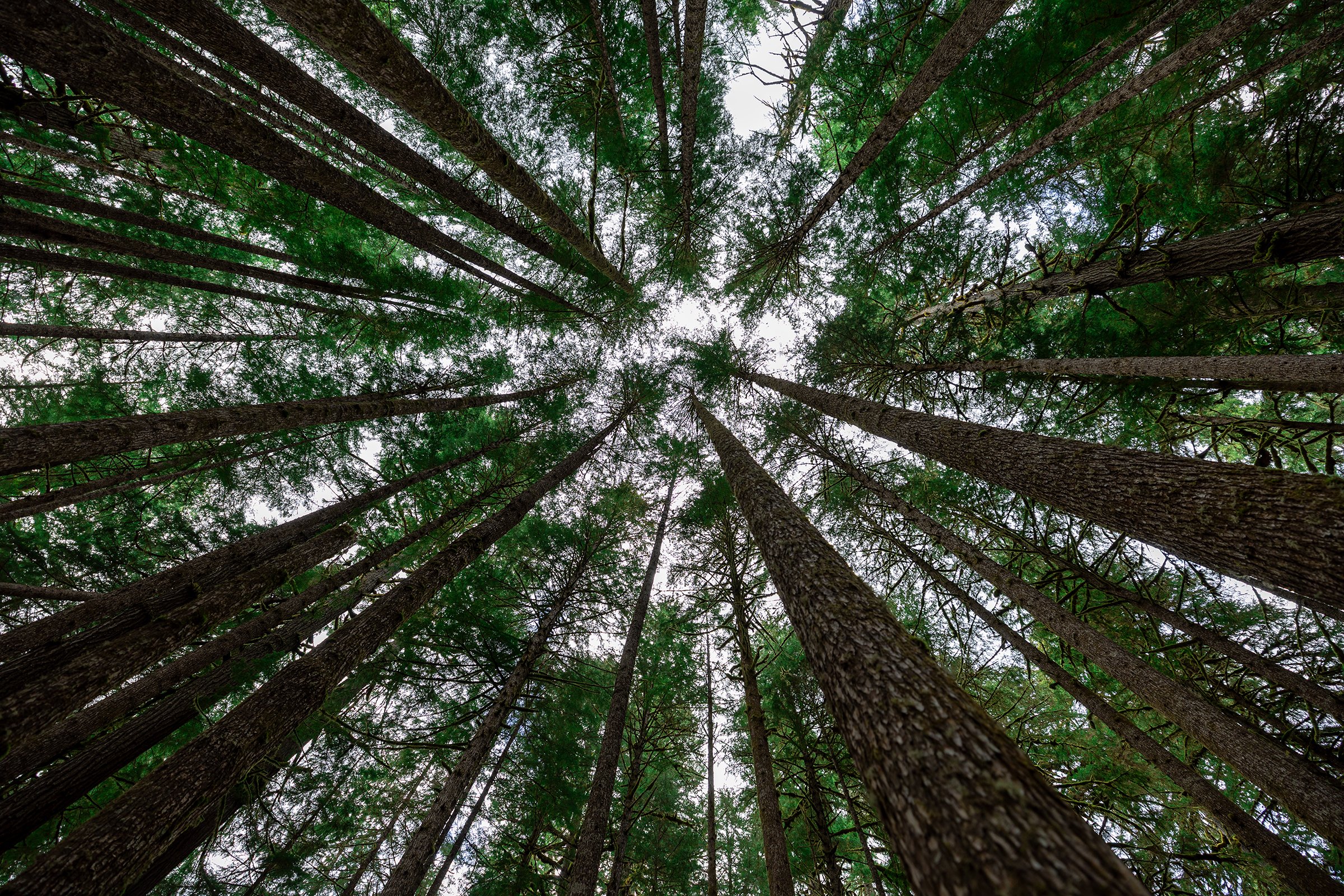
Last month I was standing in Utah’s West Desert photographing the Onaqui herd of wild horses with participants during our Hunt’s Photo Adventures workshop. Dust in the air, wide open valleys, mountain backdrops and the sound of a thundering herd moving across the desert floor. Then just weeks later, I found myself in one of the lushest landscapes in the country leading another completely different kind of adventure in Olympic National Park.
The contrast between the two places almost feels impossible to explain unless you experience it yourself. From one adventure to another, we went from photographing wild horses beneath endless desert skies to standing beneath towering moss-covered trees inside a rainforest that honestly makes you feel like a child inside a fairytale.
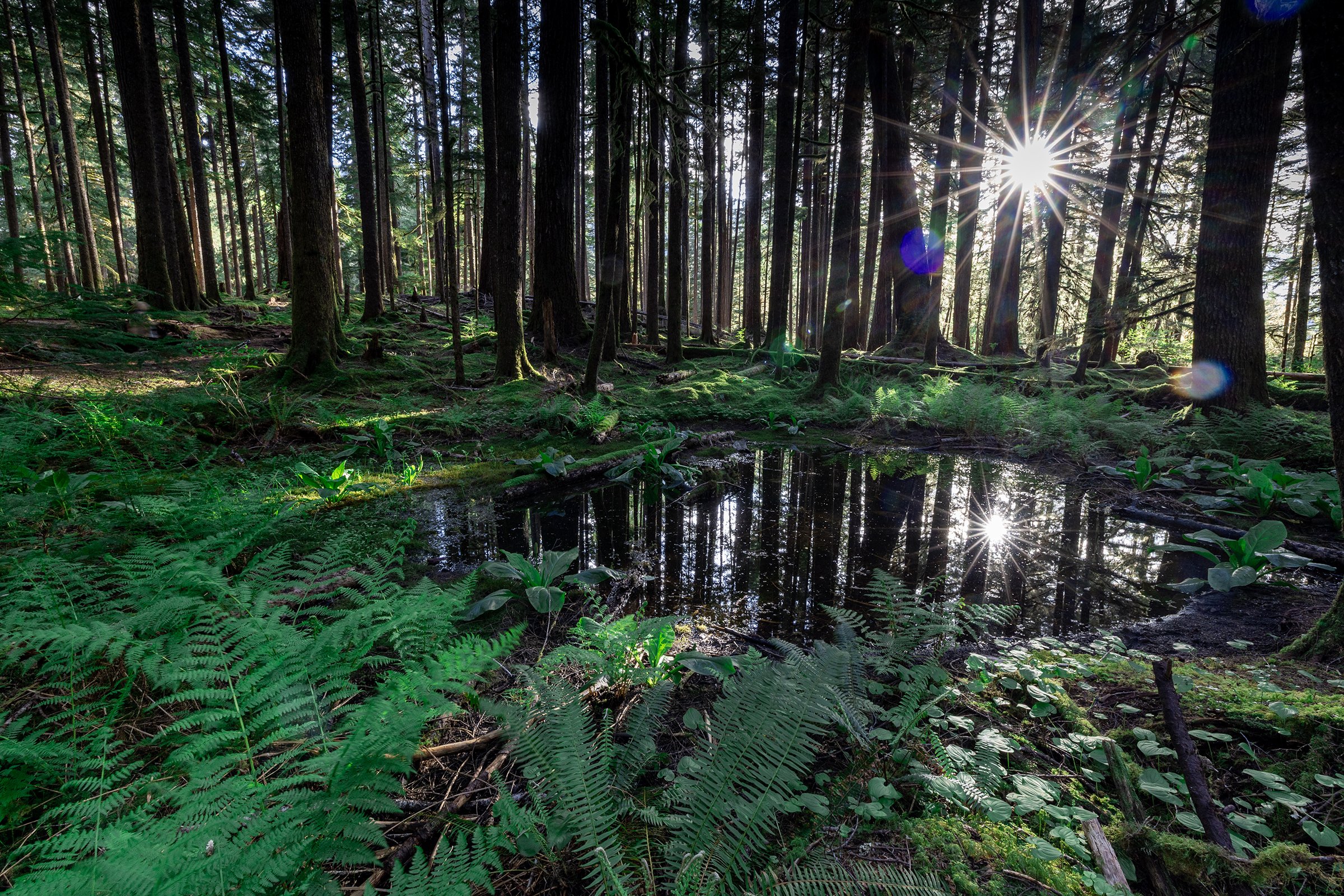
Everything in the Hoh Rain Forest feels alive. The scale of the trees, layers of green in every direction, moss hanging from branches, the sound of water moving through the forest — it has a way of slowing you down whether you intend to or not. Light filters softly through the canopy, creating these quiet moments where everyone naturally stops talking for a second just to take it all in. That’s something I always pay attention to while leading workshops. There are moments when photographers stop worrying about settings, lenses, or compositions and simply experience the place. Olympic National Park seemed to create those moments often.
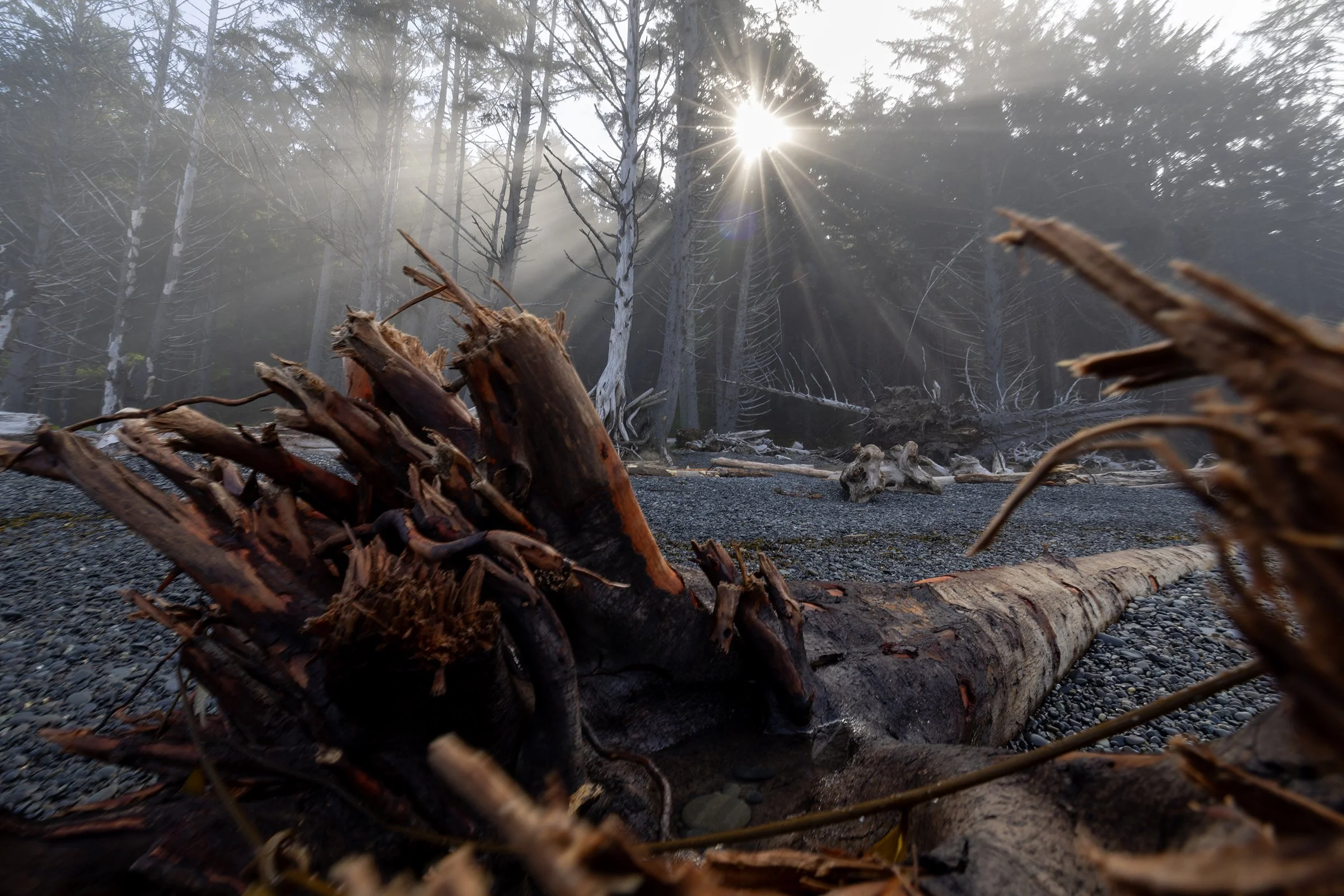
One of the things that makes Olympic so unique from a photography standpoint is the incredible diversity packed into such a massive, protected landscape. Olympic National Park is nearly the size of Connecticut, which was a surprise to me and many of our Hunt’s participants from the Northeast. Within that enormous area are rainforests, rugged coastlines, alpine environments, waterfalls, rivers, wildlife habitats and beaches that all feel completely different from one another. In a single day we could move from rainforest environments to rugged Pacific beachscapes scattered with driftwood, sea stacks and tidal pools full of life.
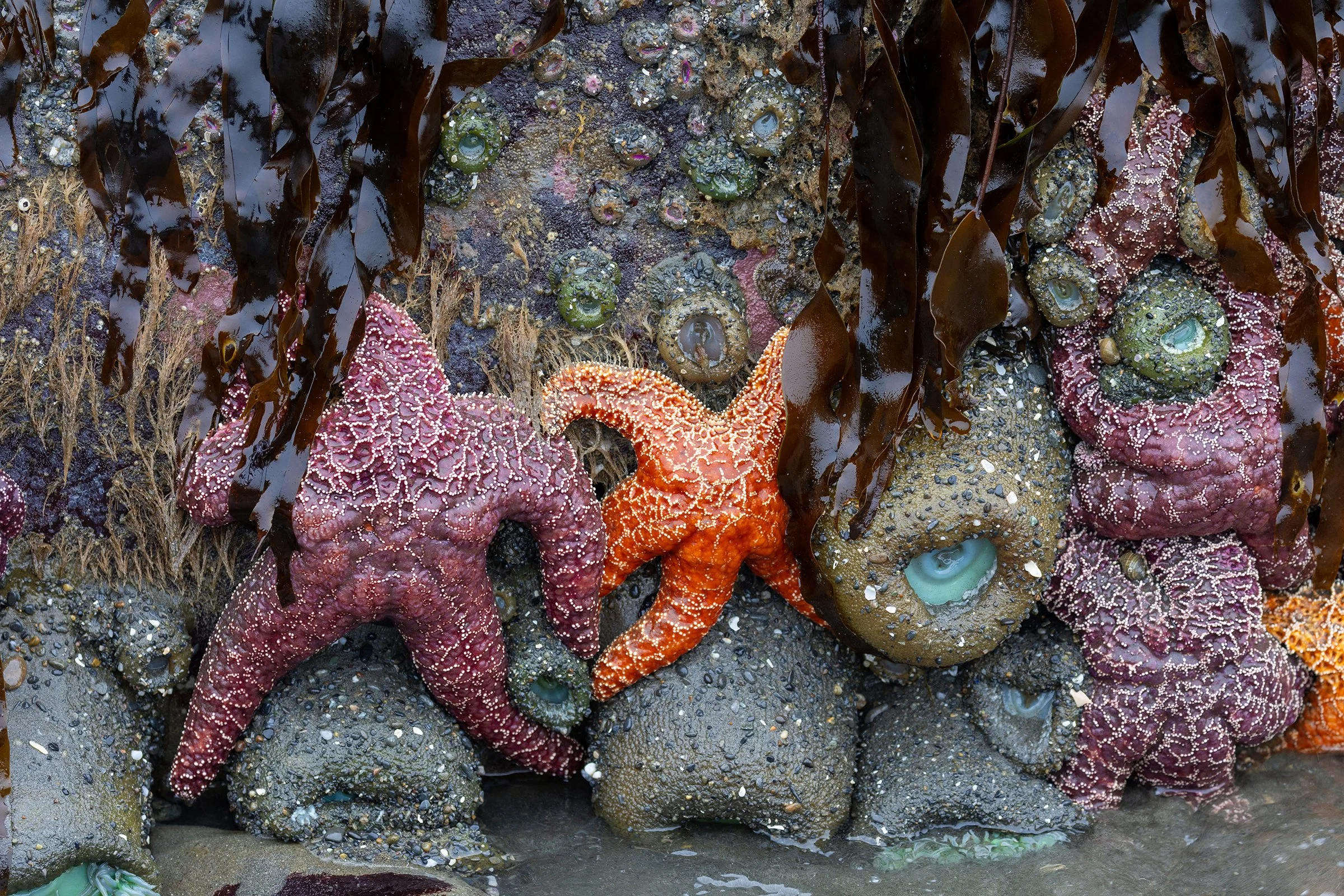
The tide pools became a favorite for many of the participants. During low tide, we spent time carefully exploring and photographing sea stars, sea anemones and all the small details hidden among the rocks along the shoreline. It becomes a completely different style of photography compared to wildlife or landscapes. Suddenly, everyone slows down and begins looking for patterns, color, texture and tiny moments within the scene.
And then there’s the coastline itself. The sound of waves crashing against the shore mixed with waterfalls flowing through the forest created an atmosphere that almost didn’t feel real at times. Olympic has this ability to constantly remind you how powerful and diverse nature can be within just a few miles of each other.
We were also fortunate to photograph some incredible wildlife throughout the trip, including majestic bald eagles and a local elk herd. Encounters like that always add another layer to the experience because wildlife in Olympic feels connected to the environment in such a natural way. Nothing feels forced. You simply spend enough time in these places and eventually nature gives you opportunities.
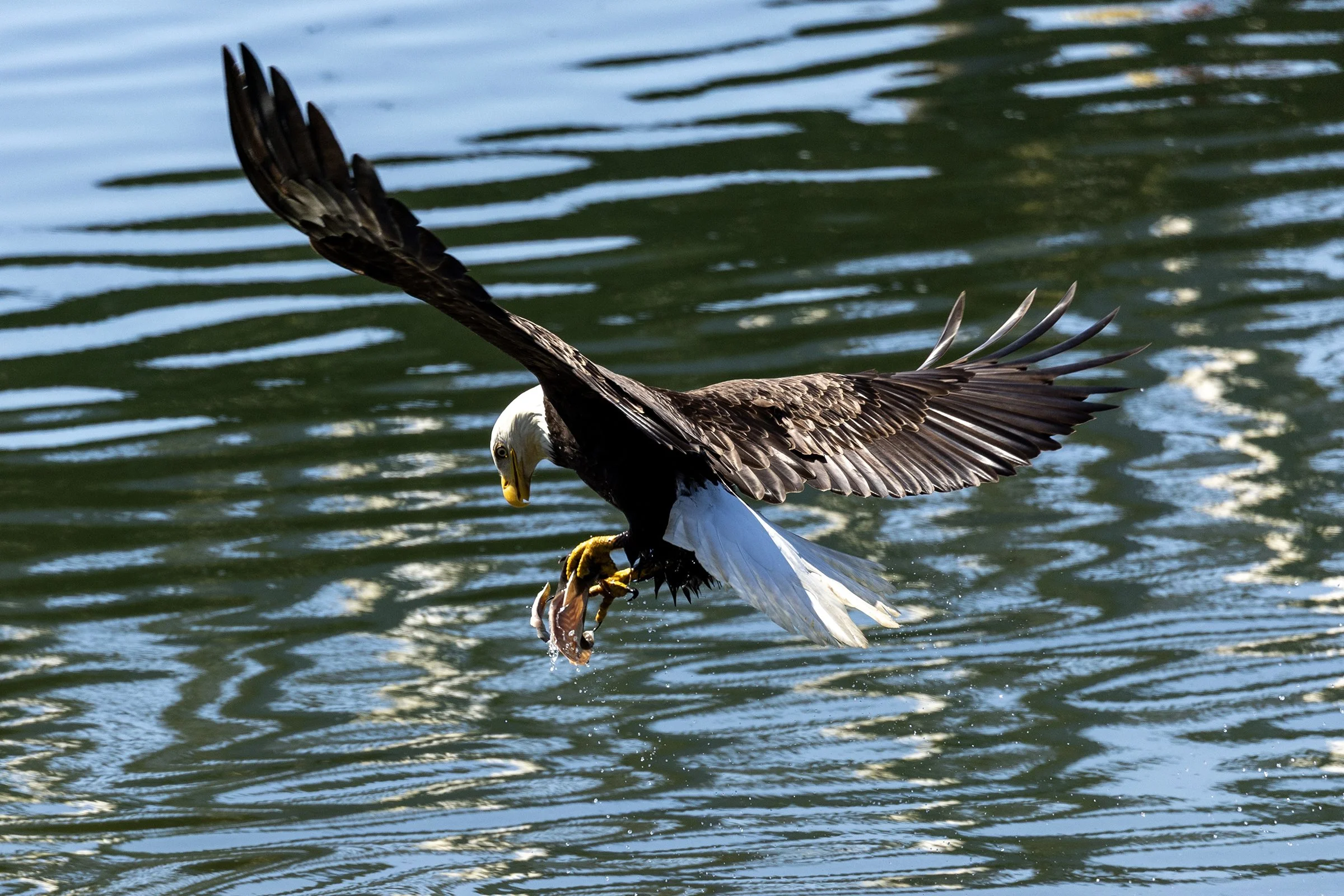
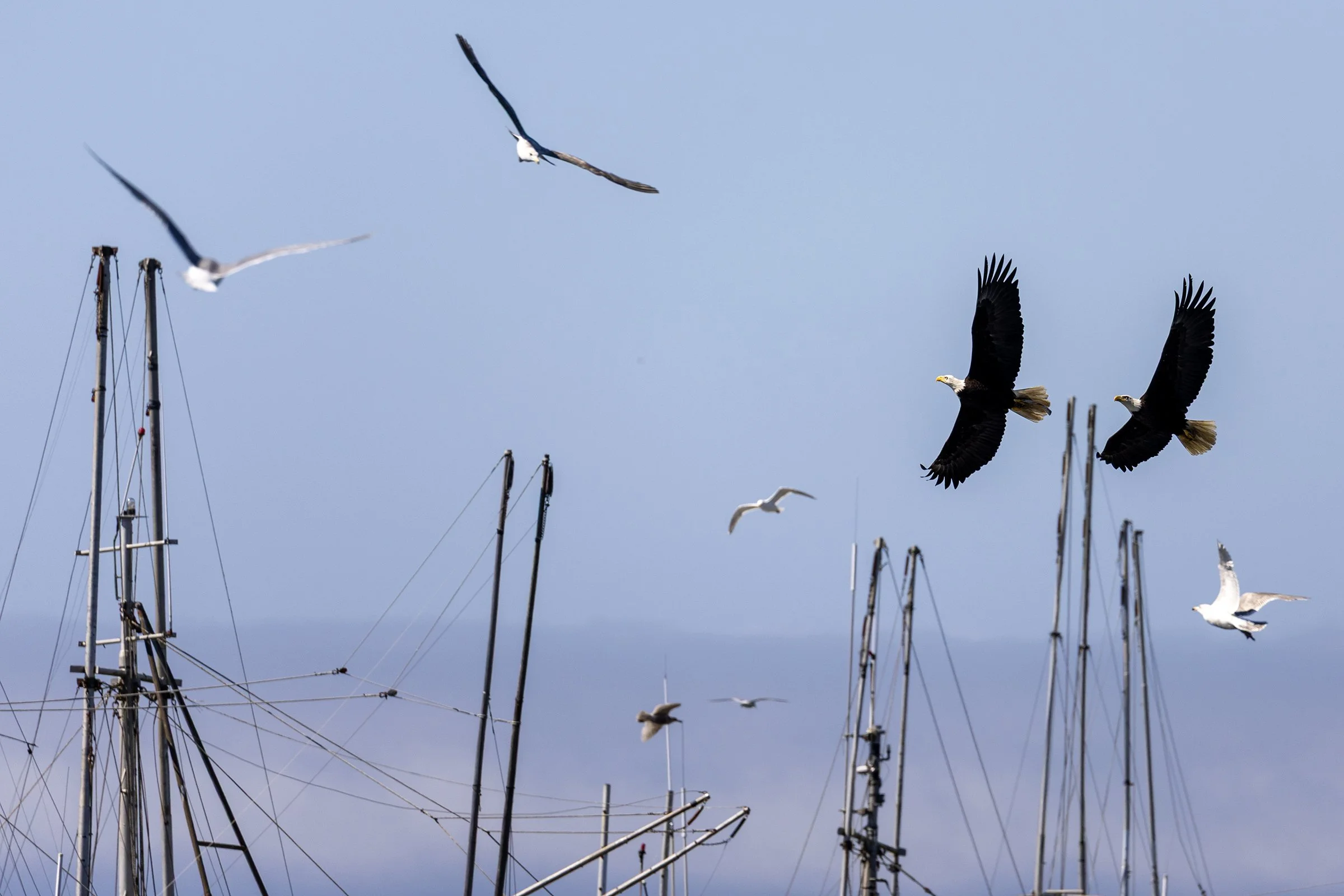
Much like the Utah workshops, this trip became about far more than photography. It became about observation. Slowing down. Learning how different environments influence the way we approach composition and storytelling. In Utah, we’re often chasing action, movement, dust and behavior with long lenses across wide open spaces. Olympic required a completely different mindset. Here we worked with atmosphere, intimate details, softer light, reflections, textures and layered compositions within the forest and coastline. That shift is part of what makes photography so rewarding to me. No two locations ever ask the same thing from you creatively.
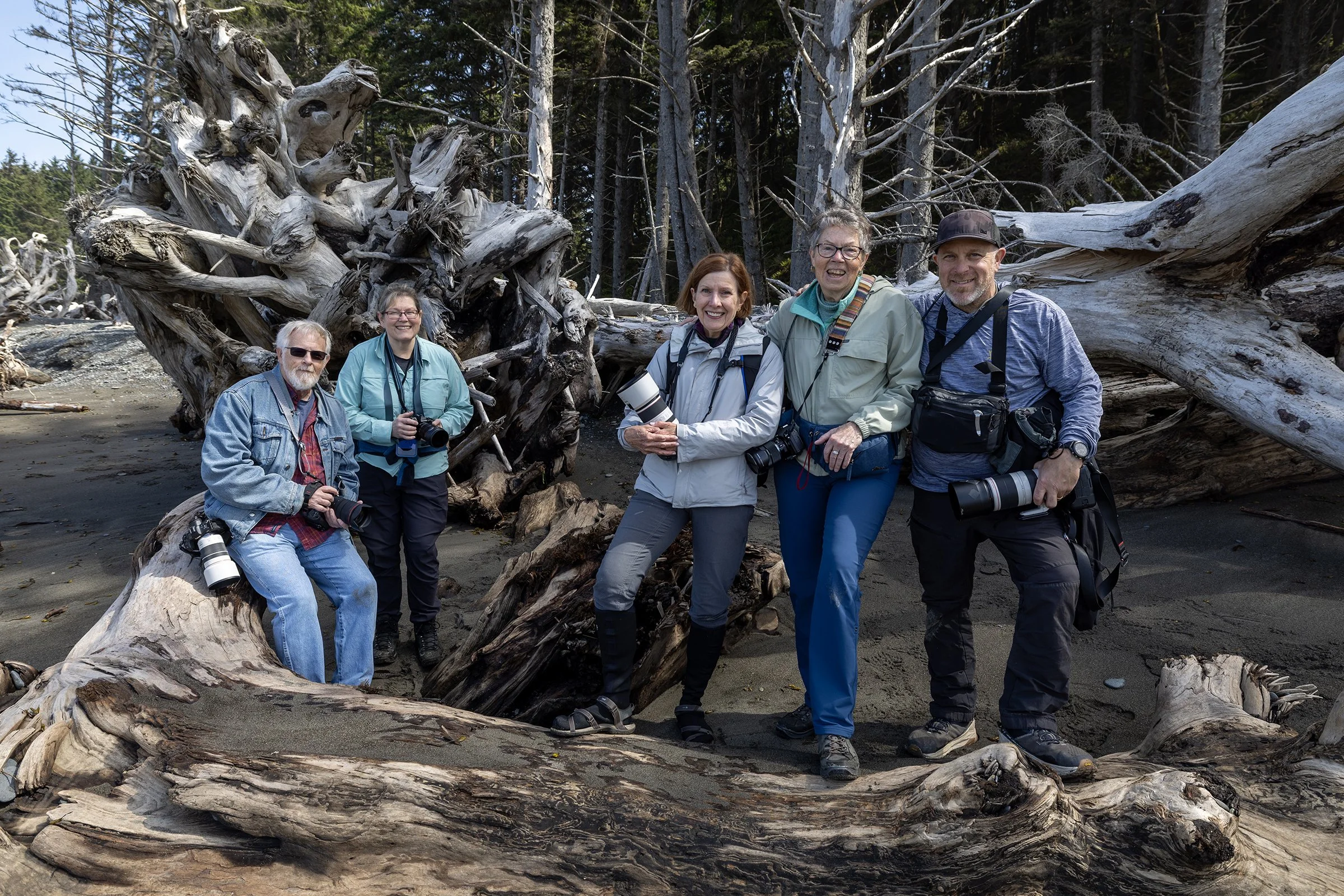
As a workshop leader, one of my favorite things is watching participants adapt and grow throughout the trip. Watching someone go from photographing massive rainforest scenes one moment to carefully composing sea stars in a tidal pool the next is always rewarding. Every environment challenges you differently, and Olympic offered no shortage of opportunities to think creatively. I think that’s what stays with me most after trips like this — the reminder of just how incredibly varied our landscapes truly are. From the deserts of Utah and the thundering herd of wild horses moving across the West Desert to the rainforests, beaches, waterfalls and wildlife of Washington, it’s hard to believe these places exist within the same part of the country.
And honestly, that’s part of the adventure.