
Rolex 24 at Daytona: Motion, moments, and just having photo fun
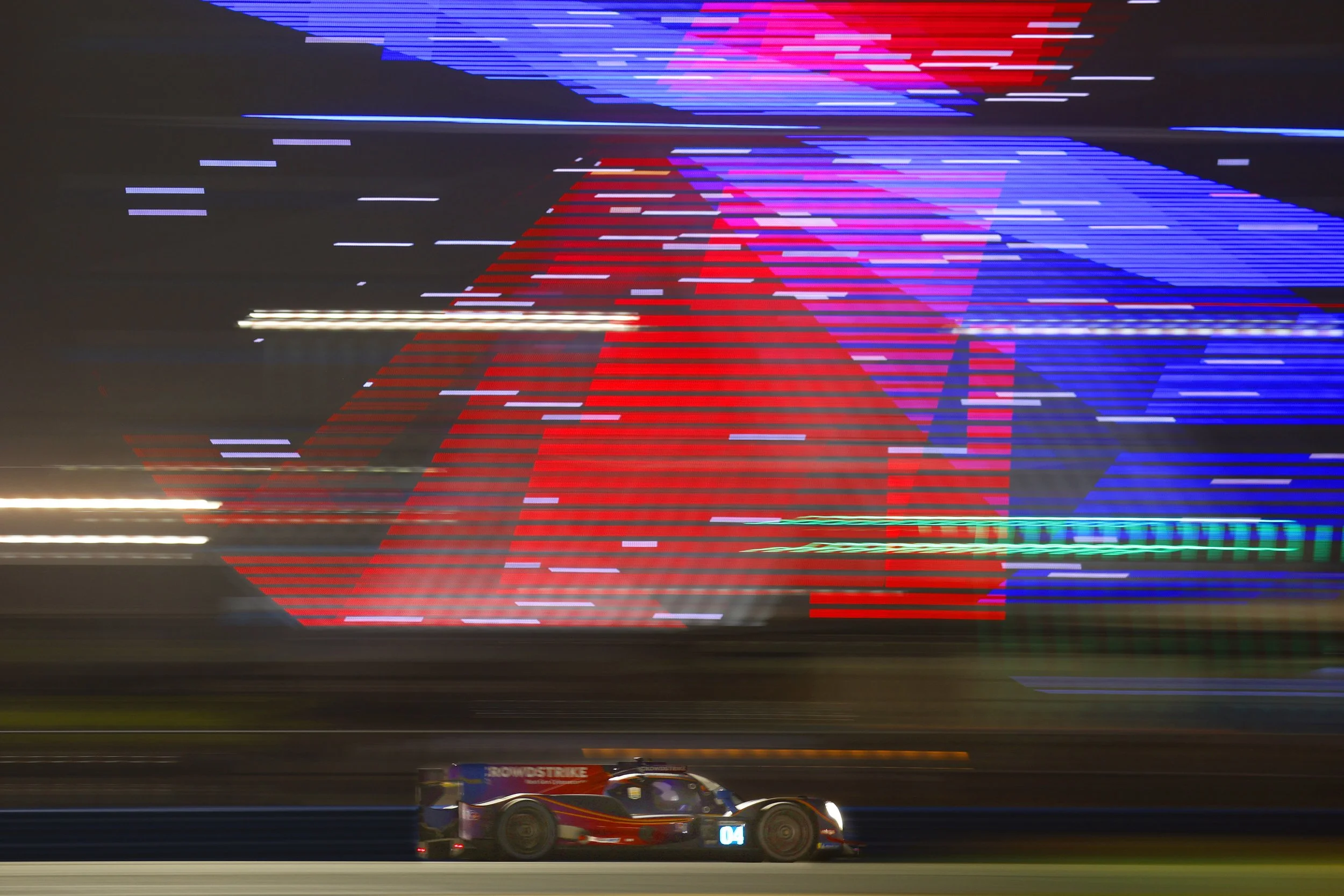
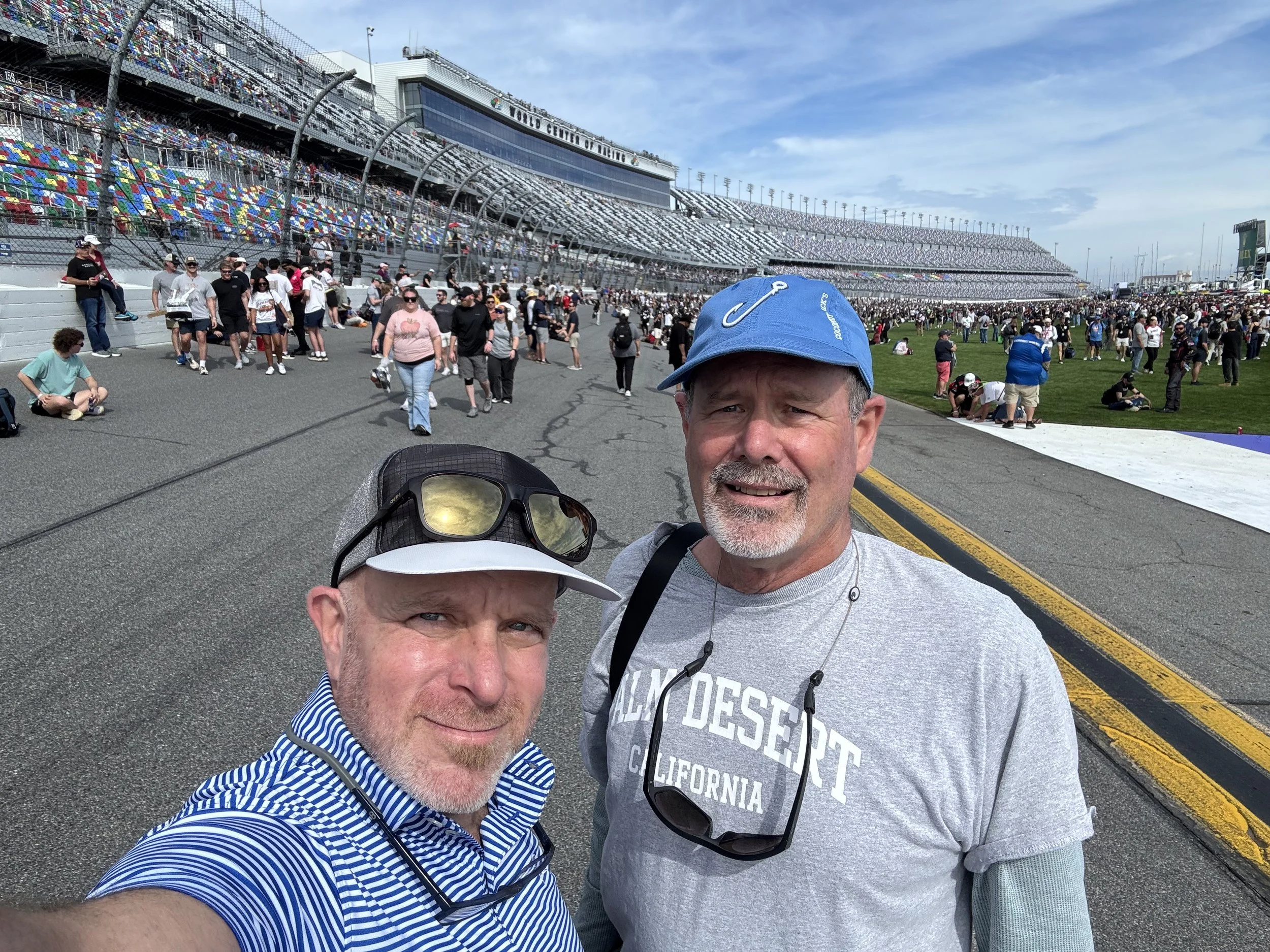
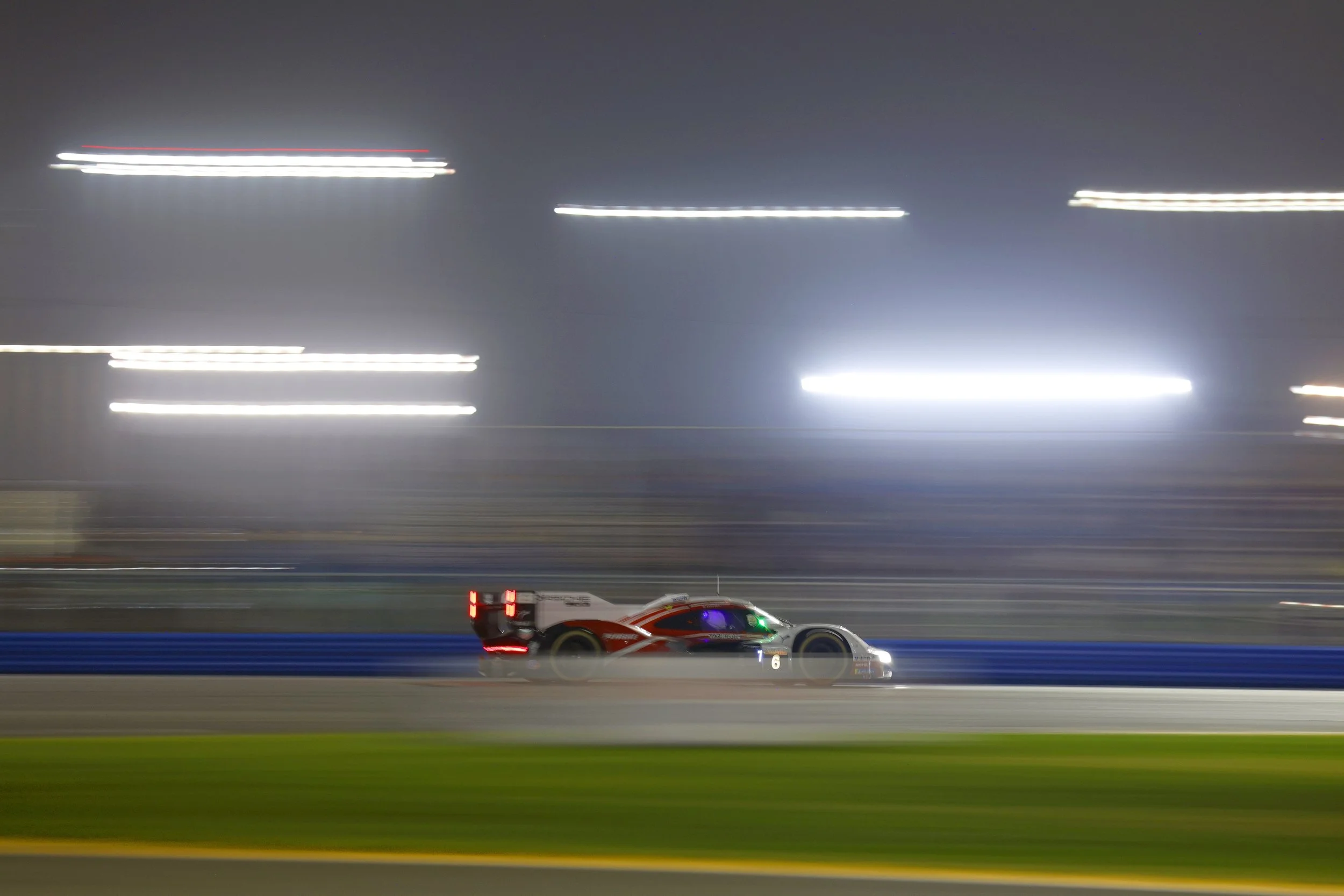
A couple of weeks ago, I attended the Rolex 24 at Daytona—not on assignment, not with credentials, and without pit access during the race.
I was there as a fan.
That alone made the experience feel different.
I was invited by Mark Morgan, a fellow photographer, workshop participant, and great friend. Like most fans, we walked the grounds, talked cars, watched the race from different vantage points, and soaked in the atmosphere that only a 24-hour endurance race can create.
At first, I almost didn’t bring my camera.
Learning how to be a spectator again
I spend most of my time photographing on assignment. There’s usually a reason I’m somewhere, expectations attached, and a clear purpose behind every frame. I’m working, producing, and thinking a few steps ahead.
So standing at Daytona without credentials, without access, and without anyone waiting for images felt unfamiliar.
Honestly, I wasn’t quite sure what to do with myself.
It was Mark who encouraged me—more than once—to bring the camera along. Not to work, not to document the race in any official way, but simply to see what happened if I photographed what caught my attention.
That small nudge changed the entire experience.
No credentials, no pressure, just time
Without pit access during the race and without an editor or deadline, the pressure disappeared.
There was:
No shot list
No obligation to produce
No timeline to meet
No expectation that anything needed to come from it
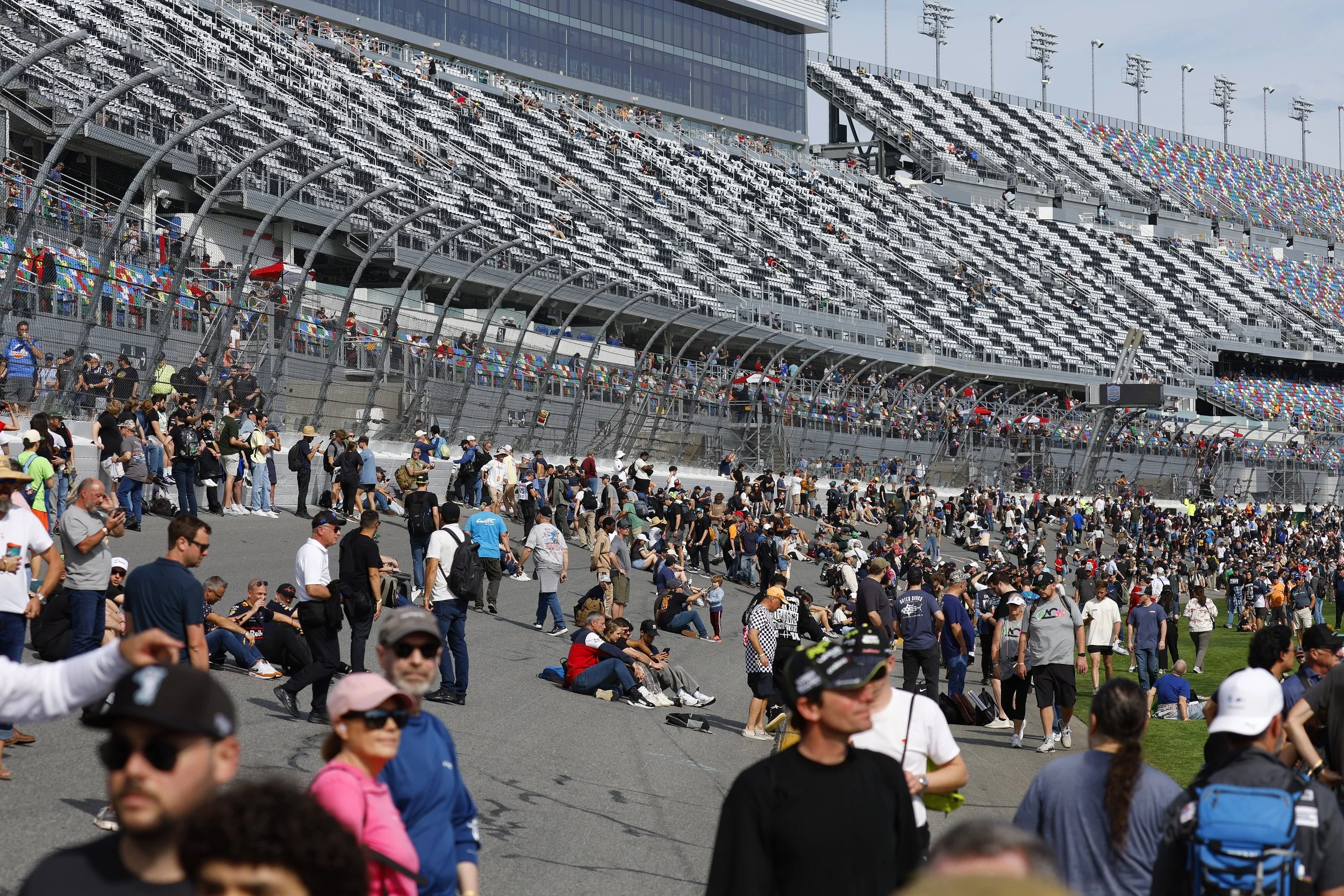
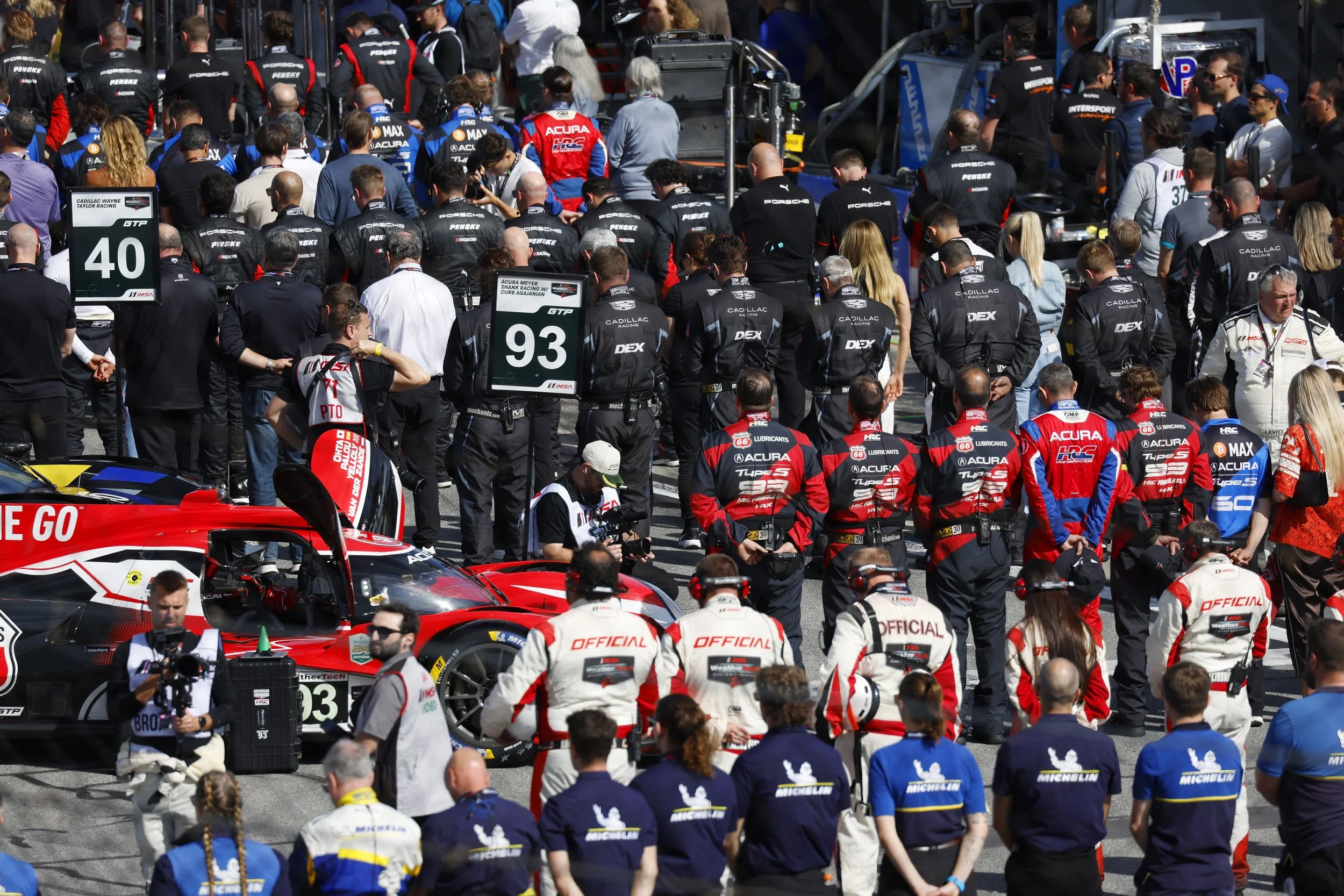
Instead, there was time. Time to walk, stop, watch, and talk cars. Time to notice how fans settled in for the long haul. Time to observe the quiet moments between the noise.
Photographing as a fan meant I could shoot whatever I wanted—or nothing at all. And that freedom was refreshing.
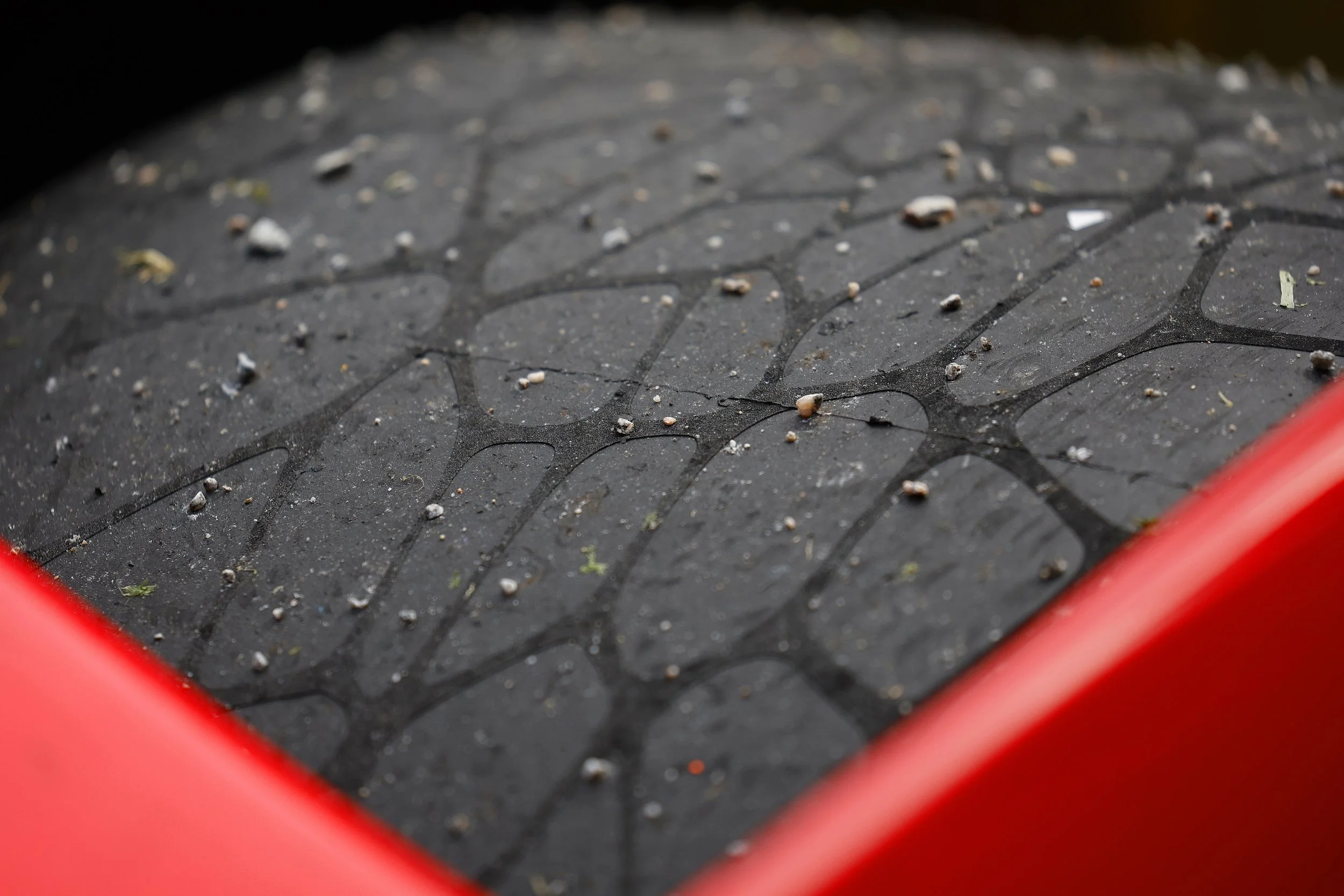
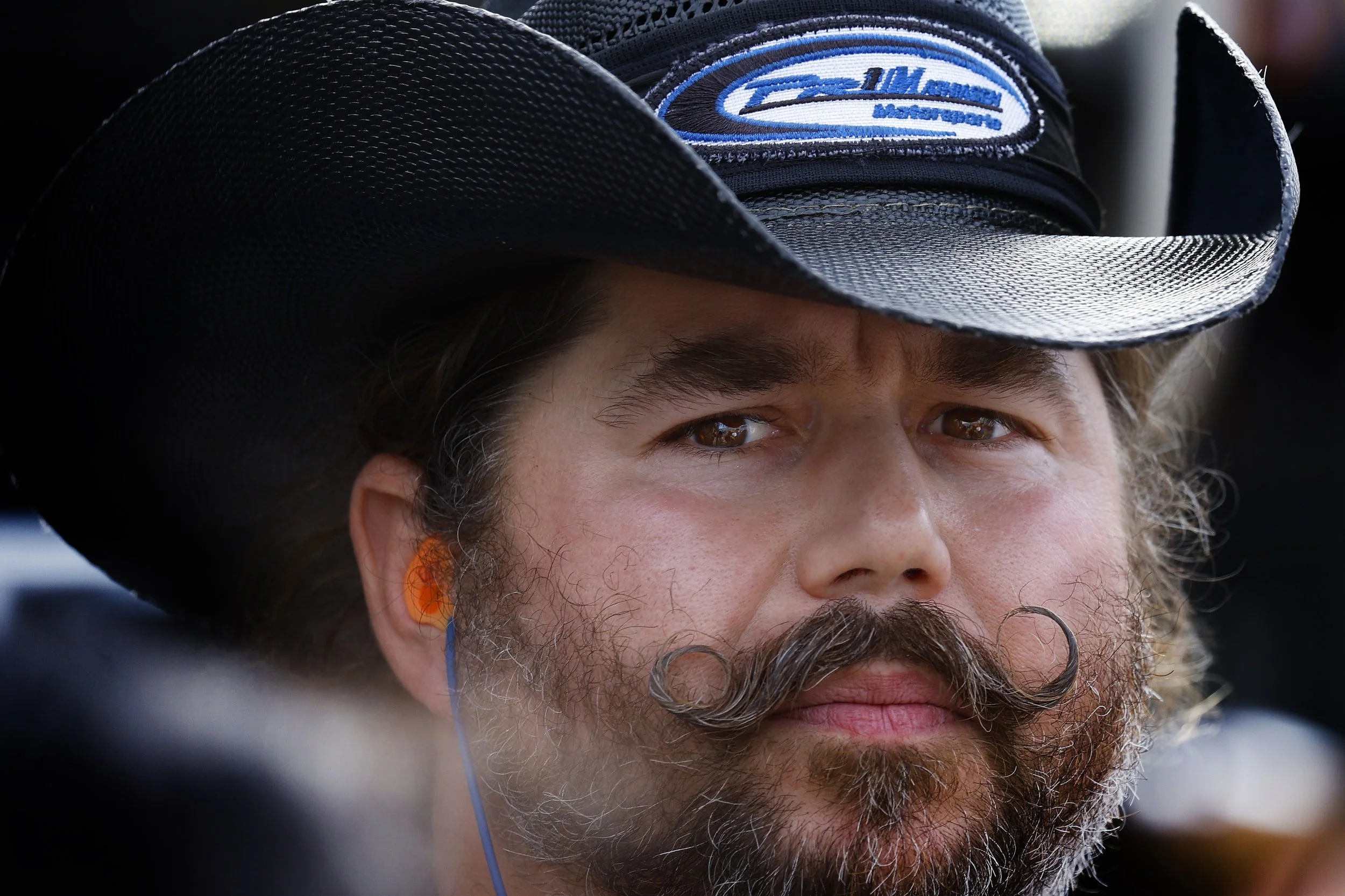
My “private workshop” (apparently)
Mark mentioned more than once that the weekend felt like his own private photography workshop.
Which is funny—because it felt like mine.
I’m usually the one leading workshops, so showing up without a plan, a role, or any responsibility felt unfamiliar. Instead of directing or teaching, I found myself tagging along, following Mark to a few of his favorite photographic honey holes—learning simply by watching, listening, and paying attention.
It wasn’t about instruction or outcomes. It was about time, curiosity, and remembering what it feels like to photograph without pressure.
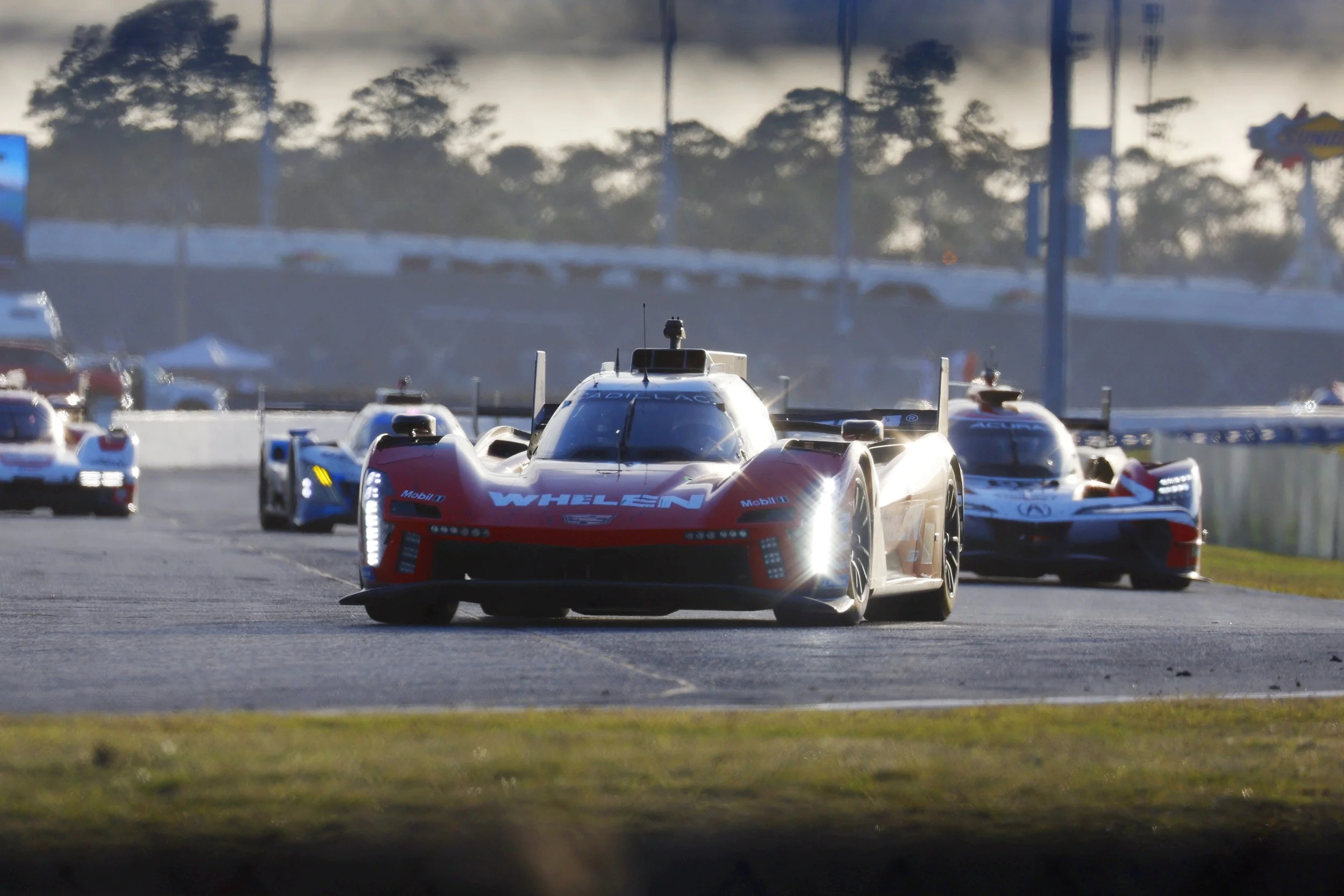
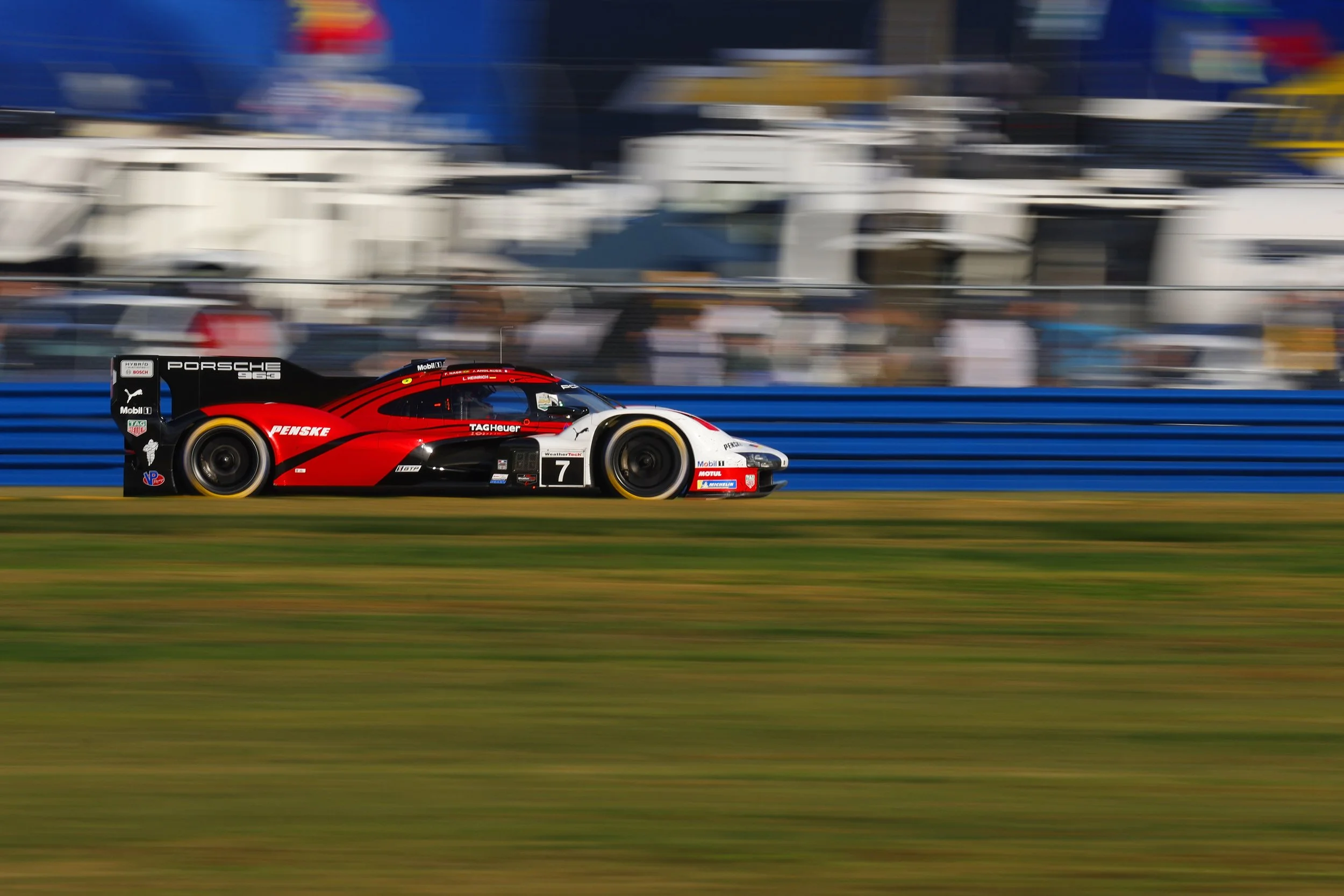
Finding stories away from the track
The cars were still incredible. The speed, the sound, and the spectacle never get old. But what really drew me in were the moments happening off the racing line.
Let’s face it—this is more than an auto race. The Rolex 24 is a giant infield party. Campers lined up for days. Campfires burning through the night. Coolers, grills, and plenty of folks settling in for the long haul. Wrapped in blankets as the temperature dropped, fans gathered around fires, trading stories, and returning to the same spots hour after hour. It’s a community that forms for 24 hours, built around endurance—not just of the cars, but of the people who come back year after year.
These weren’t dramatic moments. They were human ones. And once I stopped chasing anything specific, they were everywhere.
A takeaway that goes beyond motorsports
This experience reminded me that photography doesn’t always need an end goal. Sometimes it’s just about paying attention.
Giving yourself permission to slow down, follow curiosity, and be okay with not producing anything can be a powerful reset—especially if you’re someone who is usually working, teaching, or leading.
Whether you’re photographing motorsports, travel, or everyday life, stepping out of “assignment mode” can open your eyes in unexpected ways.