
Finding my photography style: I don't blend in by being invisible. I blend in by being present.
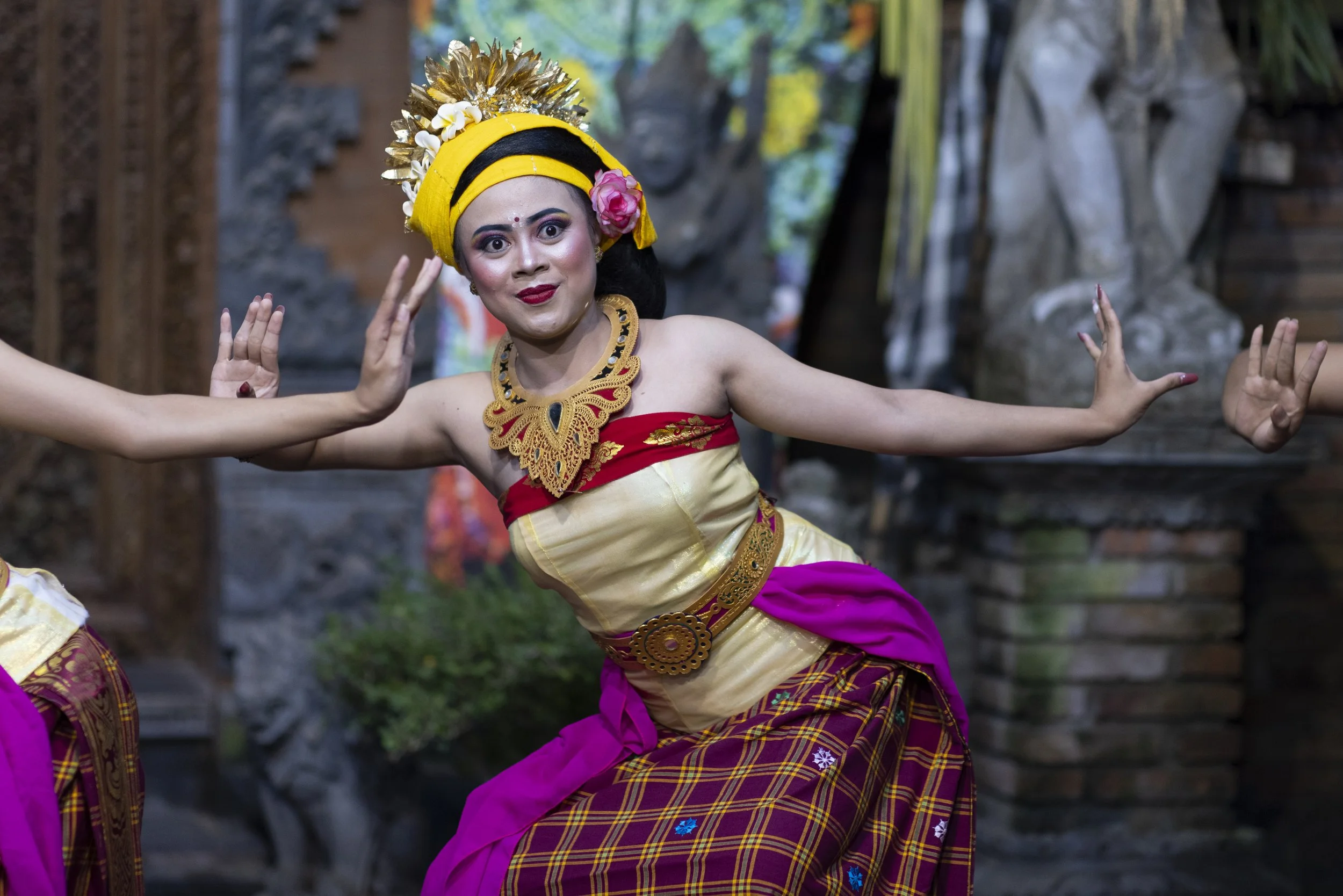
I recently attended a presentation by another photographer that got me thinking about my own photography in a way I hadn't really expected.
He talked about his career, his influences, the photographers who inspired him and his philosophy of photography. He described himself as a photojournalist and talked about telling stories with his images. His goal was to be a fly on the wall—to blend into his surroundings and not change the scene simply by being there.
In some of the places he photographs, particularly in poorer or more difficult environments, that approach makes a lot of sense. He talked about carrying his cameras in something as ordinary as a shopping bag so he wouldn't draw attention to himself.
Listening to him, I started thinking about my own approach.
I've never really thought about having a photography style.
I've never been particularly philosophical about photography. I like to keep things pretty simple.
I like making pictures.
Back in my newspaper days, though, I remember wanting to become that fly on the wall. I wanted to blend into the environment, hang back and let people do what they were doing without my presence changing the moment.
Funny how things change.
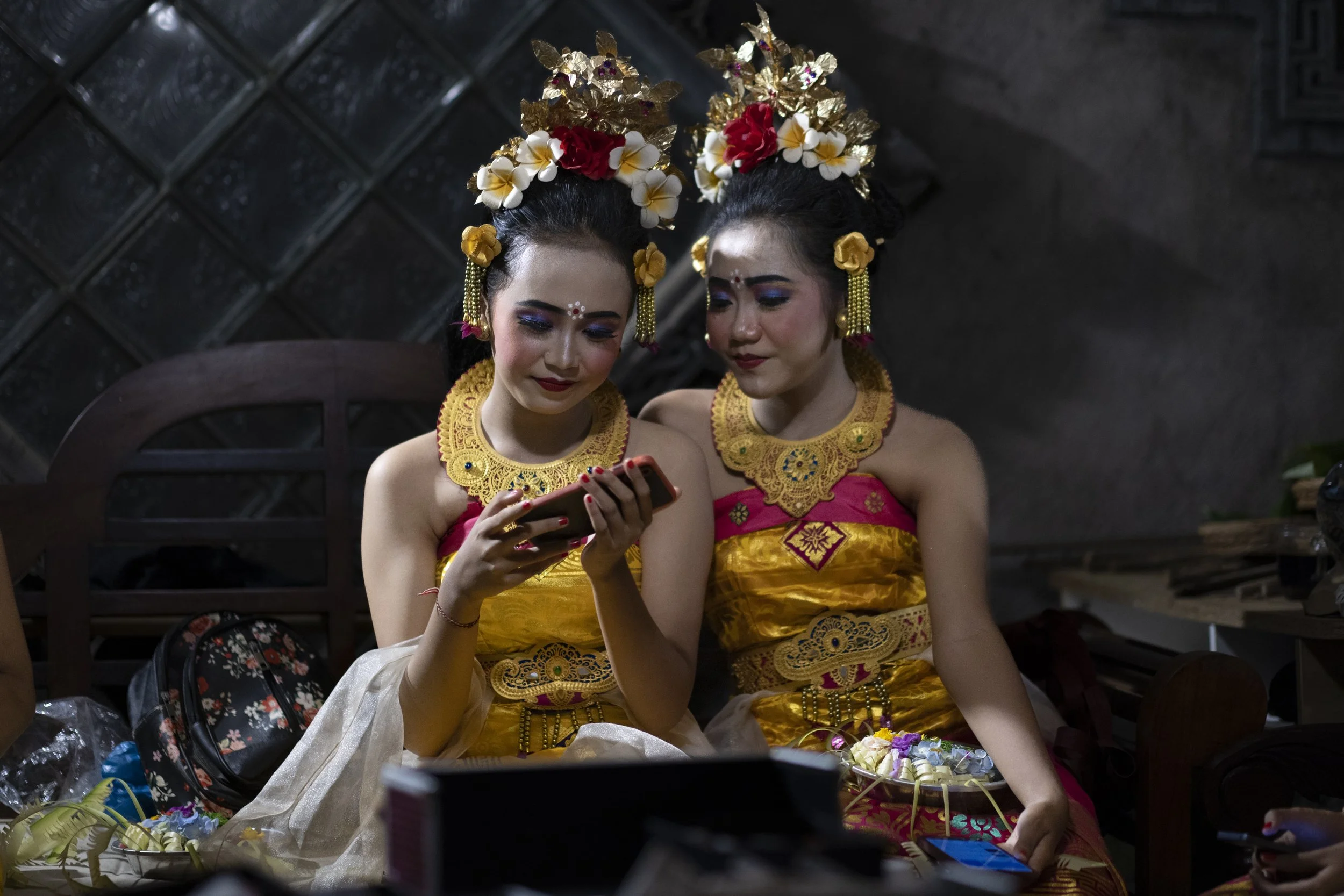
Today, much of my time is spent leading photography workshops and adventures. I love landscapes, sunrises and sunsets, but some of my favorite photography is photographing people doing what people do.
Someone selling goods at a market. A person fixing a bicycle in a rundown, gritty bike shop in Bali. A fisherman working along the coast. A vendor arranging produce or someone selling sarongs and hats, the ordinary stuff.
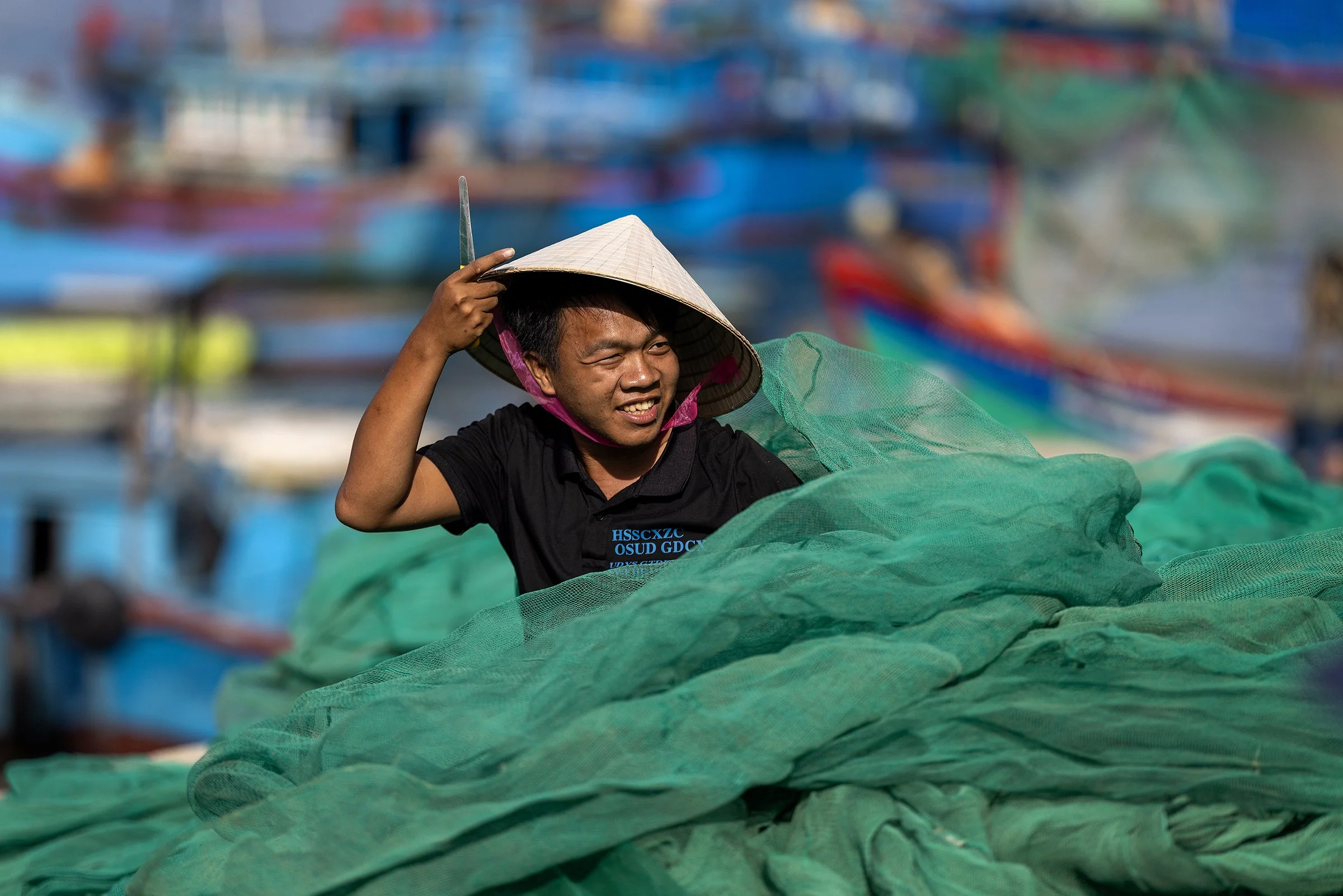
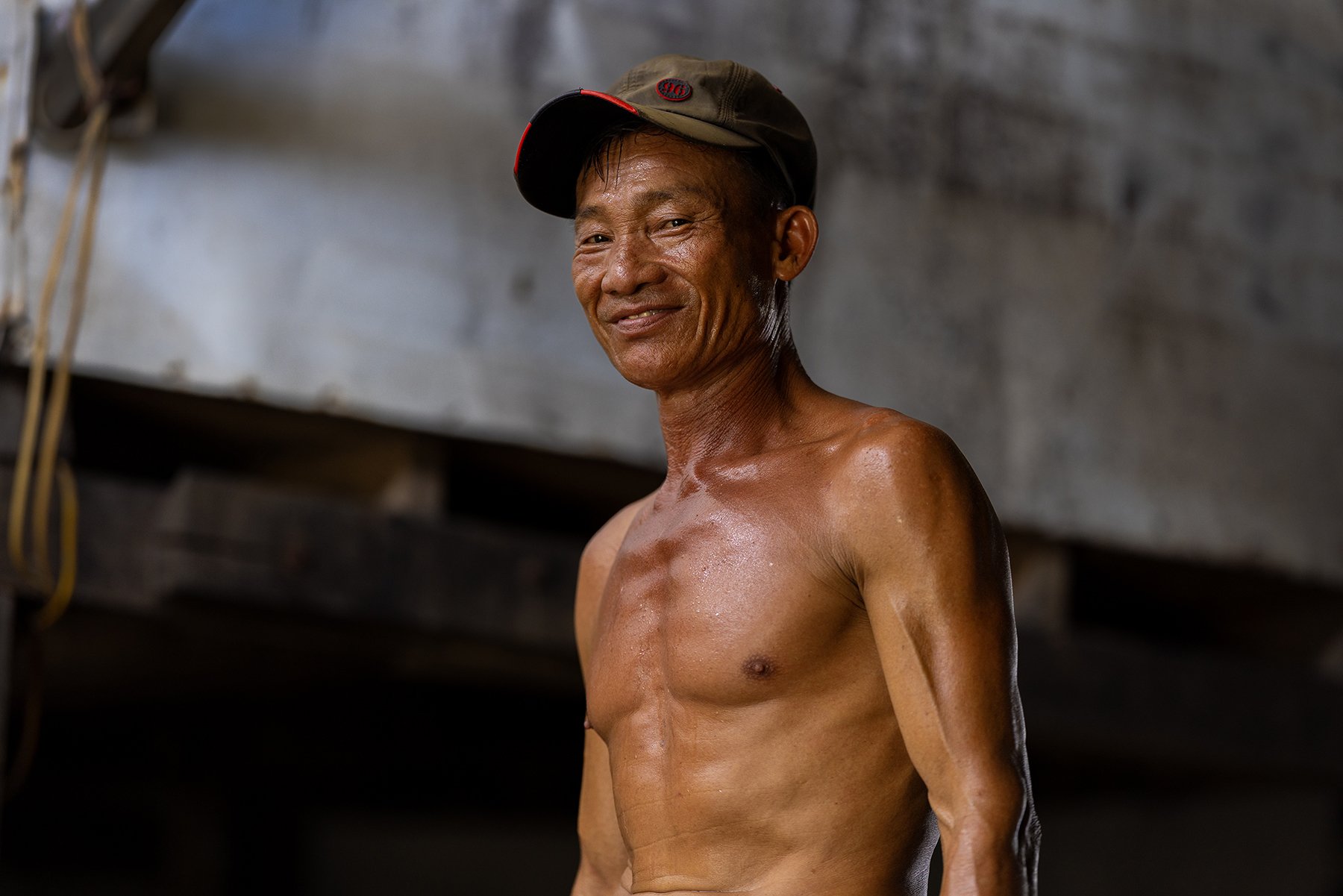
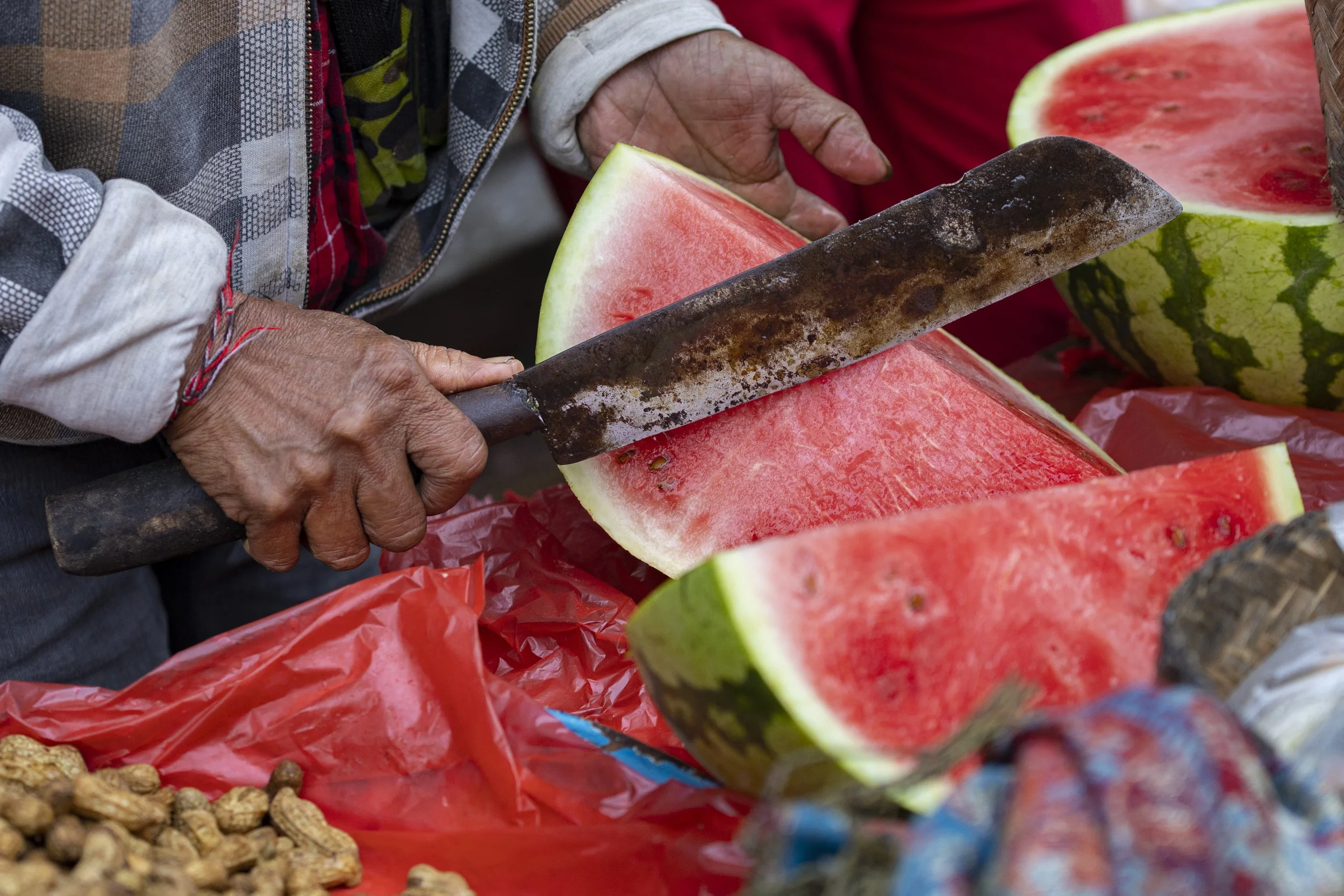
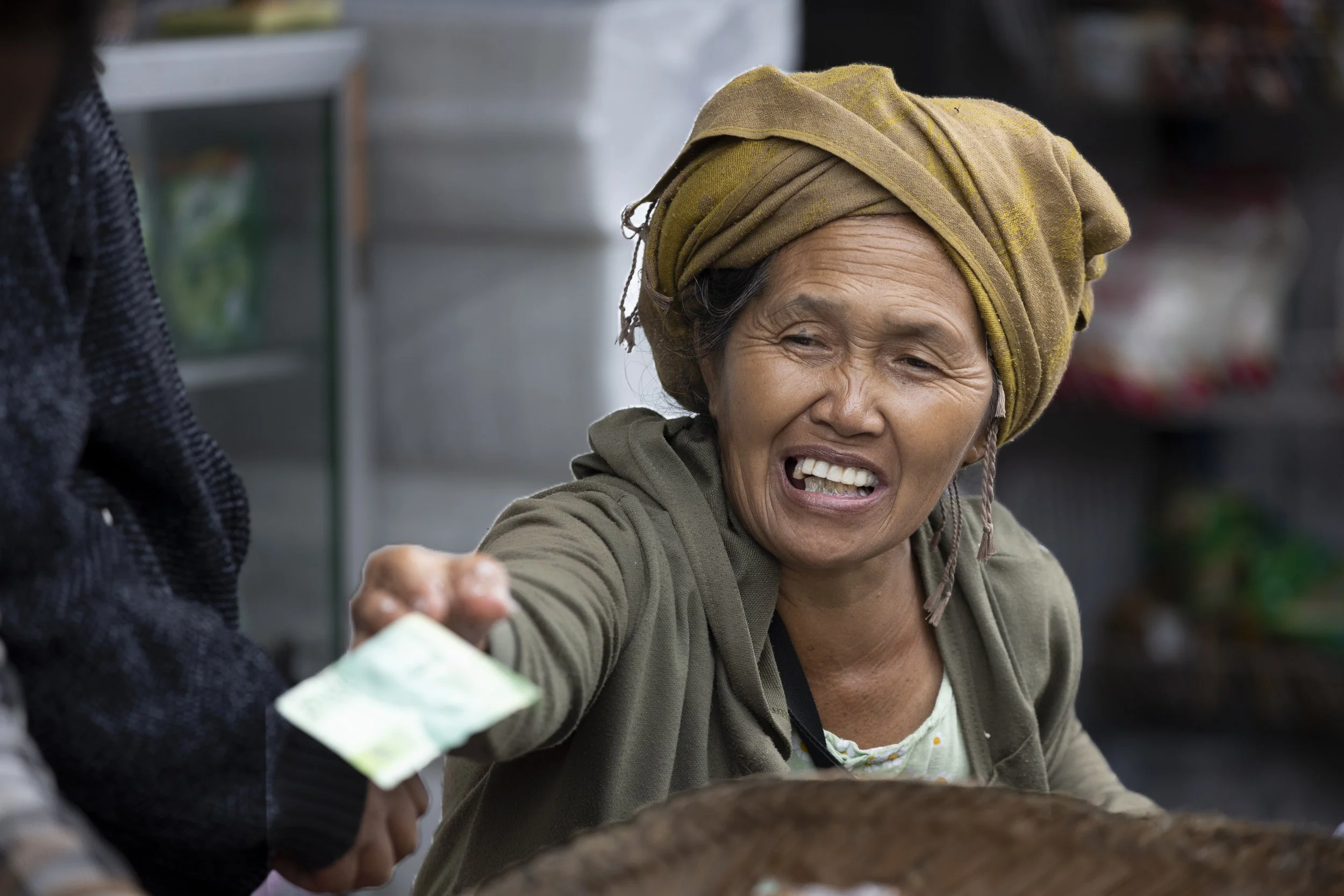
My wife, Lisa, came along with me to the presentation. She's been on many of my trips and workshops, so she's watched me photograph people in markets and busy streets around the world.
I'm pretty well traveled, and I'm not going to lie—some of my favorite photography happens when I'm immersed in another culture. France, Croatia, Iceland, Vietnam, Borneo and especially Bali, Indonesia.
Lisa watched me squirm in my seat a little during some of the more philosophical parts of the presentation.
Afterward, she told me something that really stuck with me.
She said she was surprised by how differently we approach photographing people.
Think about it.
I walk into a busy market in Indonesia as a bald, white guy who sticks out about as much as anyone possibly could. I've got two cameras hanging from my shoulders, one with a long lens and one with a shorter, wider lens. I'm not exactly blending in. I'm a walking photography billboard.
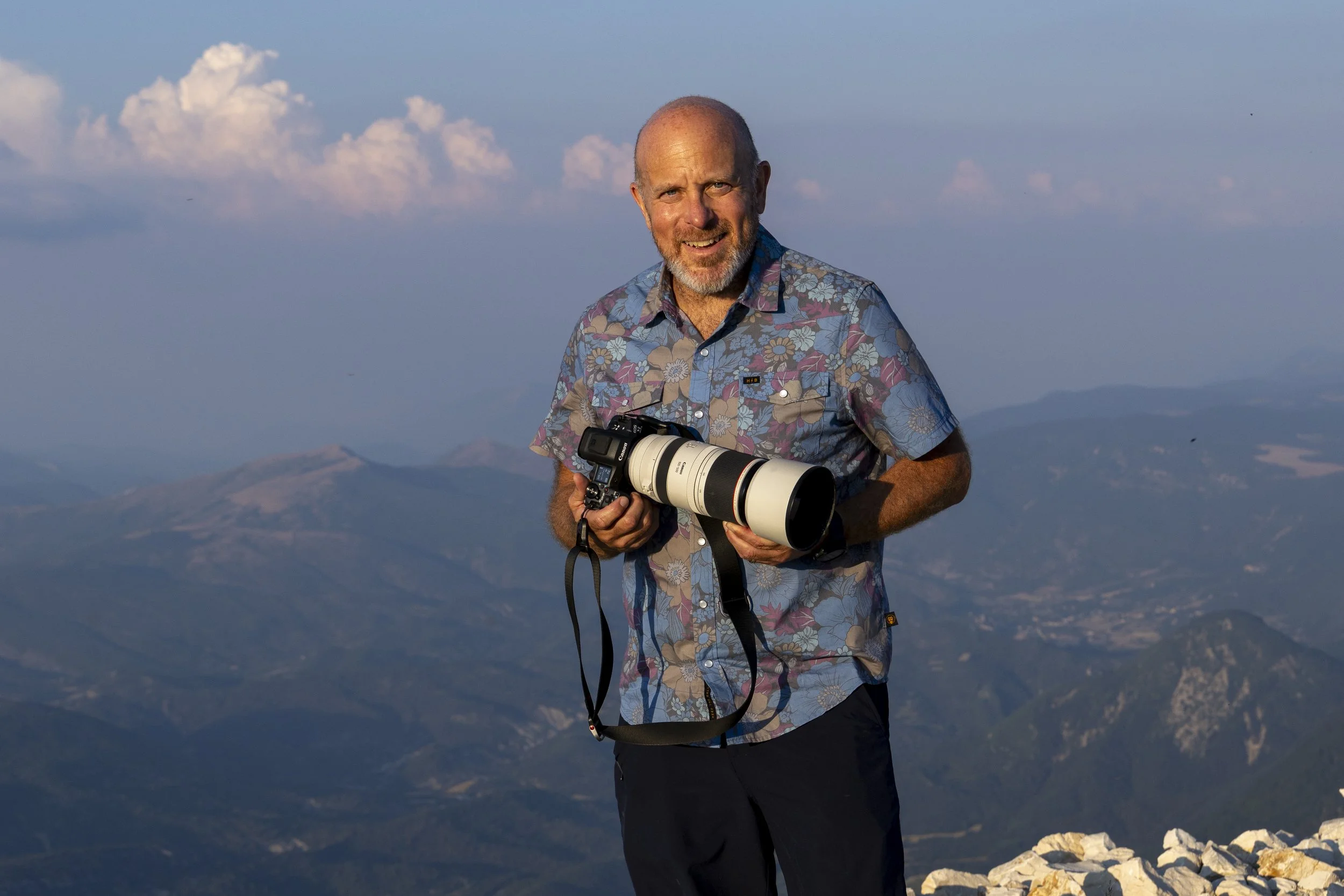
“I'm a walking photography billboard.”
But Lisa pointed out that maybe being that obvious is actually what allows me to blend in.
I don't sneak around. I don't hide my camera. If I see something that catches my eye, I'll point the long lens toward my subject. They see me. I nod. I smile. Sometimes I'll move a little closer.
Eventually, I'll put the camera down and try to start a conversation.
Language can be a barrier, but a smile seems to be one of the few languages everybody speaks.
I'll point to something they're selling—a hat, a sarong, some produce. It doesn't really matter. I'm showing interest in what they're doing.
I'm trying to connect.
If someone clearly doesn't want to be photographed, I stop. I'll smile, give them a little bow and apologize. That's their choice, and I respect it.
Sometimes that initial hesitation disappears after a little interaction. Sometimes it's only a few seconds. Sometimes it's a conversation.
But there is a connection.
And that connection often leads to a better photograph.
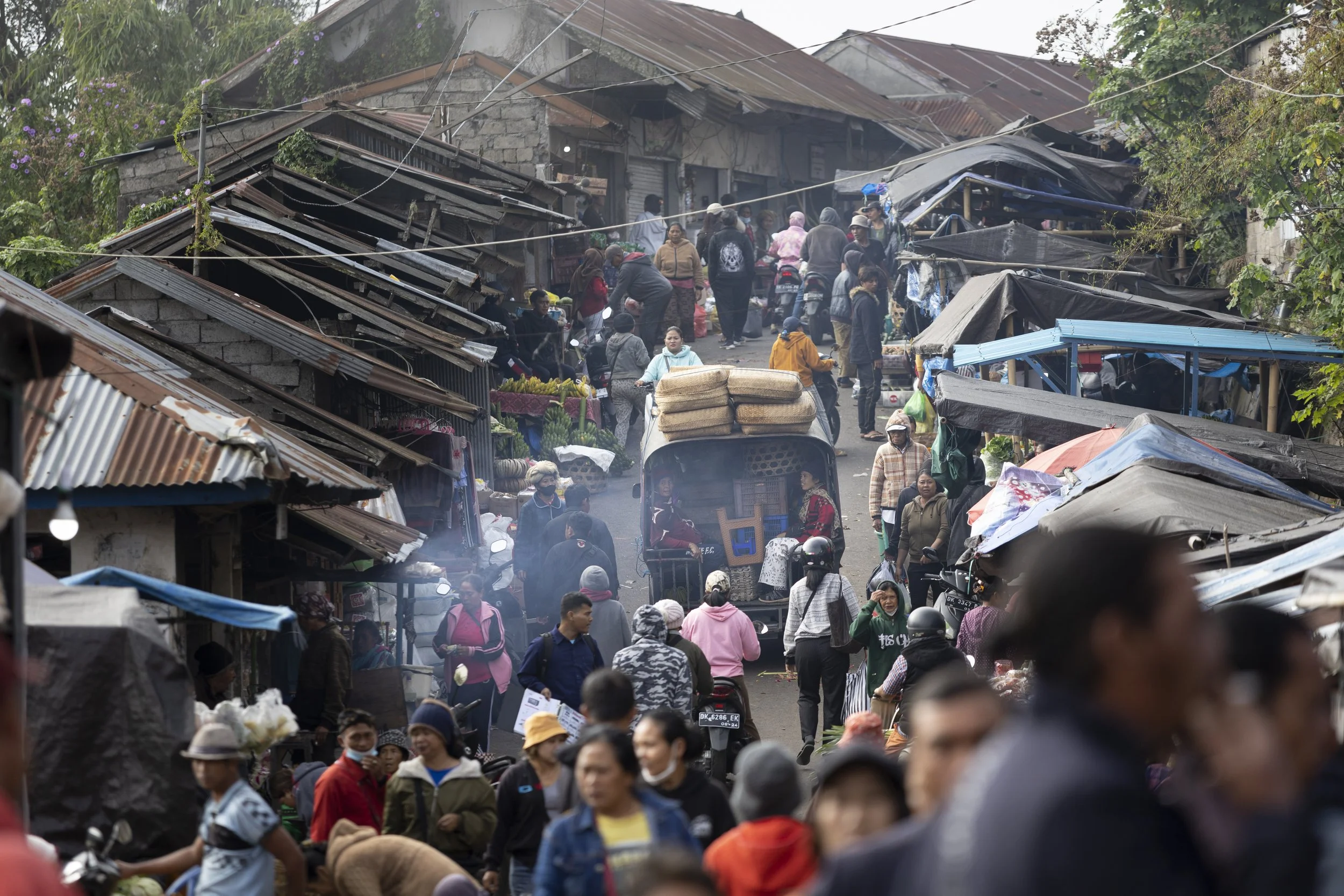
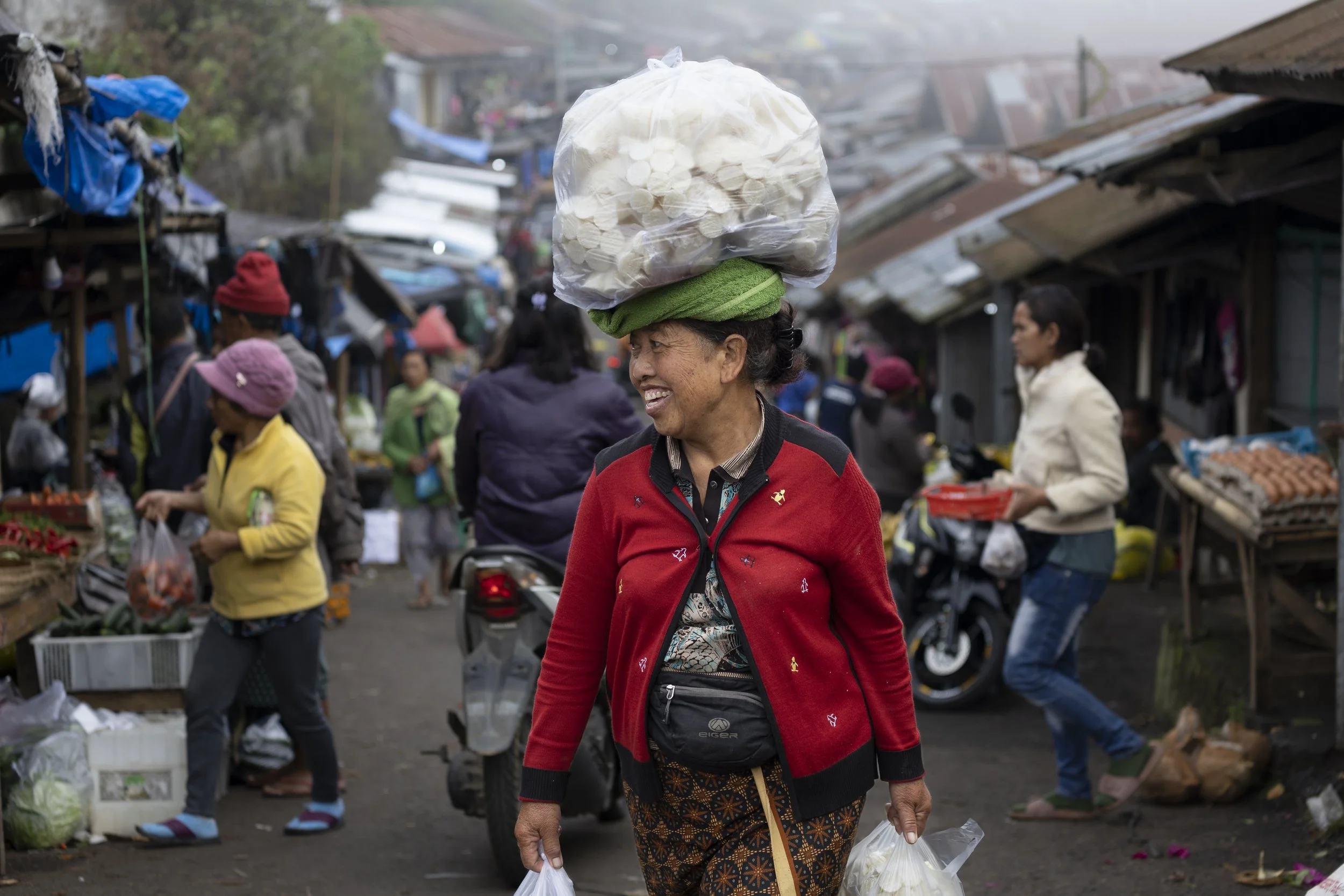
Photographing people requires respect
Of course, we also have to recognize that we're photographing people in their own cultures, with their own beliefs and boundaries.
What works in one place may not work in another.
There are cultures where people are much more uncomfortable being photographed. There are places where photographers are expected to pay for a photograph, and places where people can be much more aggressive about either not wanting their picture taken or wanting money in exchange for it. I don't pay people to photograph them.
And I don't push a situation that doesn't feel right. My own safety matters, too.
Sometimes the cultural connection I'm looking for simply isn't going to happen.
That's okay. For me, that connection is a big part of why I enjoy photographing people. The photograph might still be interesting, but if there isn't some kind of mutual understanding—even if it lasts only a few seconds—it doesn't mean quite as much to me.
I'm not just looking for a picture of someone.
I'm looking for a moment of connection with someone.
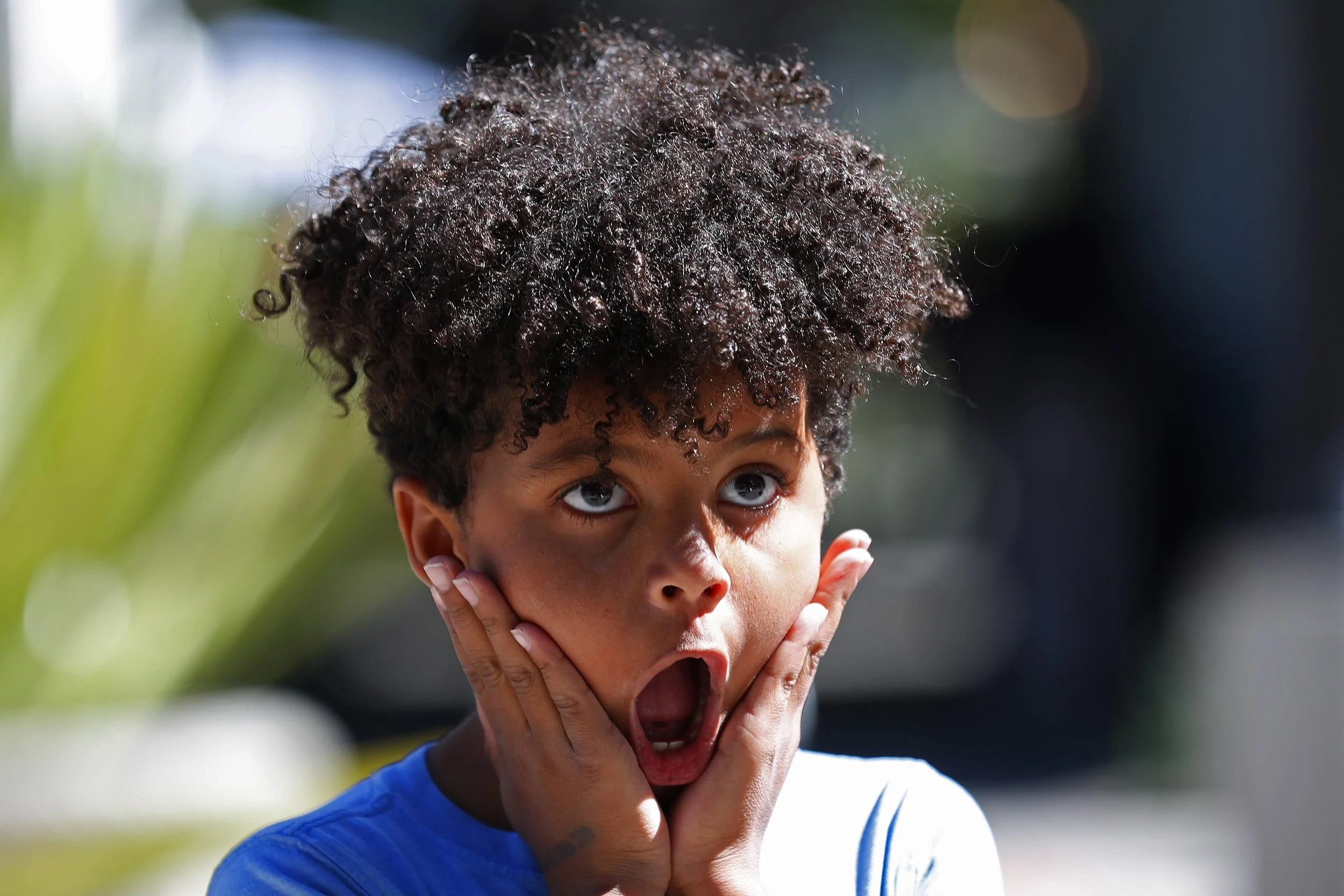
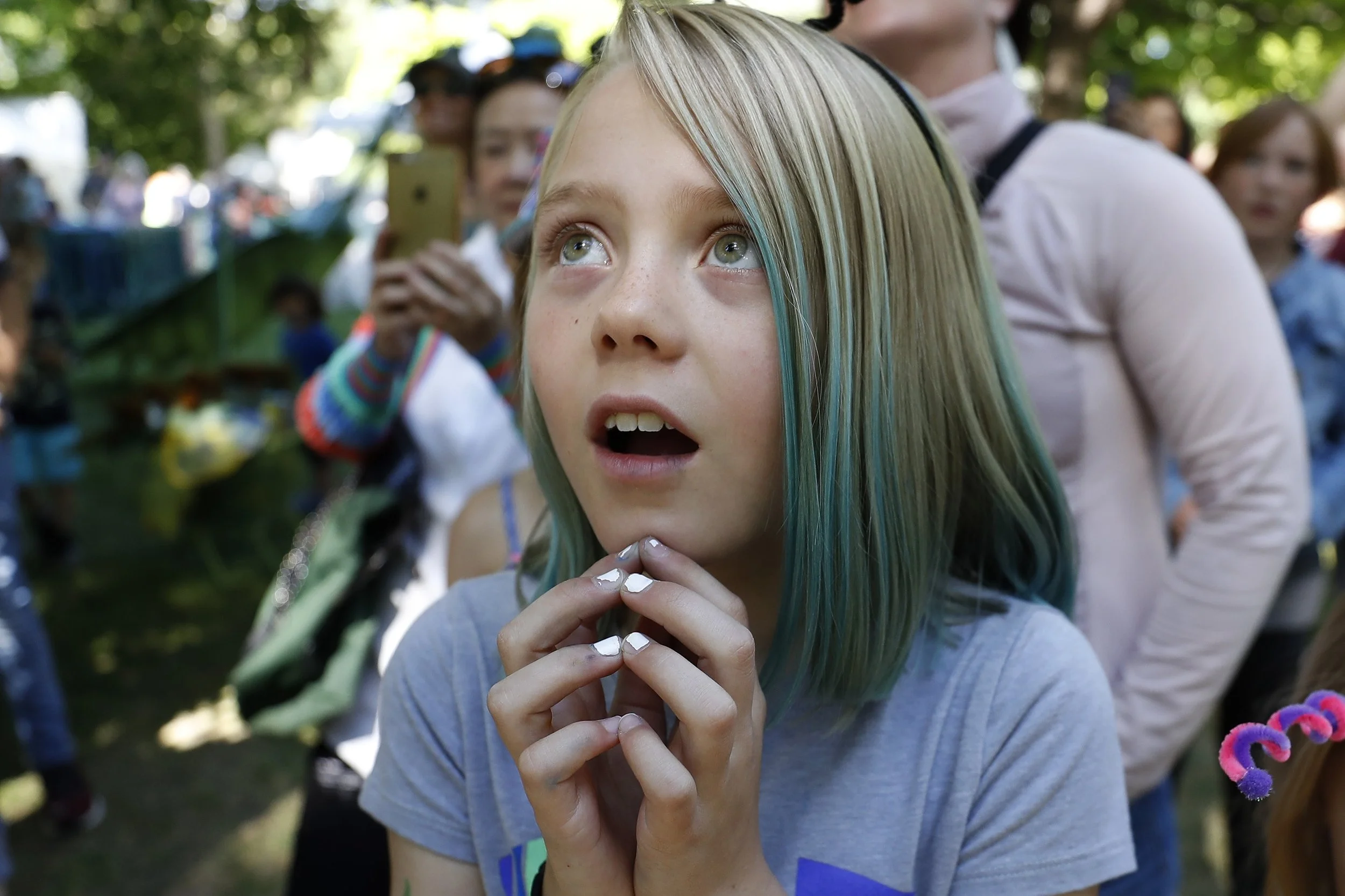
You don't have to travel to find It
And none of this requires a plane ticket.
I've photographed plenty of local art fairs, farmers' markets, busy streets and community events, and I take exactly the same approach.
You don't suddenly become a different photographer because you're standing in a market in Bali instead of one in your own town.
The same opportunities are everywhere.
You can photograph the person selling vegetables at a farmers' market. Spend some time watching artists at a local art fair. Walk down a busy street and find someone repairing a bicycle, arranging merchandise or simply going about their day.
You don't need an exotic location to photograph people in their environment.
We used to say the same thing about sports photography: you can make just as nice a photograph at a high school game as you can at a college or professional game.
The level of competition doesn't make the photograph. The photographer's ability to see the moment does.
I think the same thing applies here.
Bali gives me different people, colors, clothing and culture, but the basic idea is the same.
People are still people.
They're working, talking, laughing, selling, fixing, carrying, waiting and living their lives.
Those stories are happening everywhere.
Sometimes they're happening in your own town.
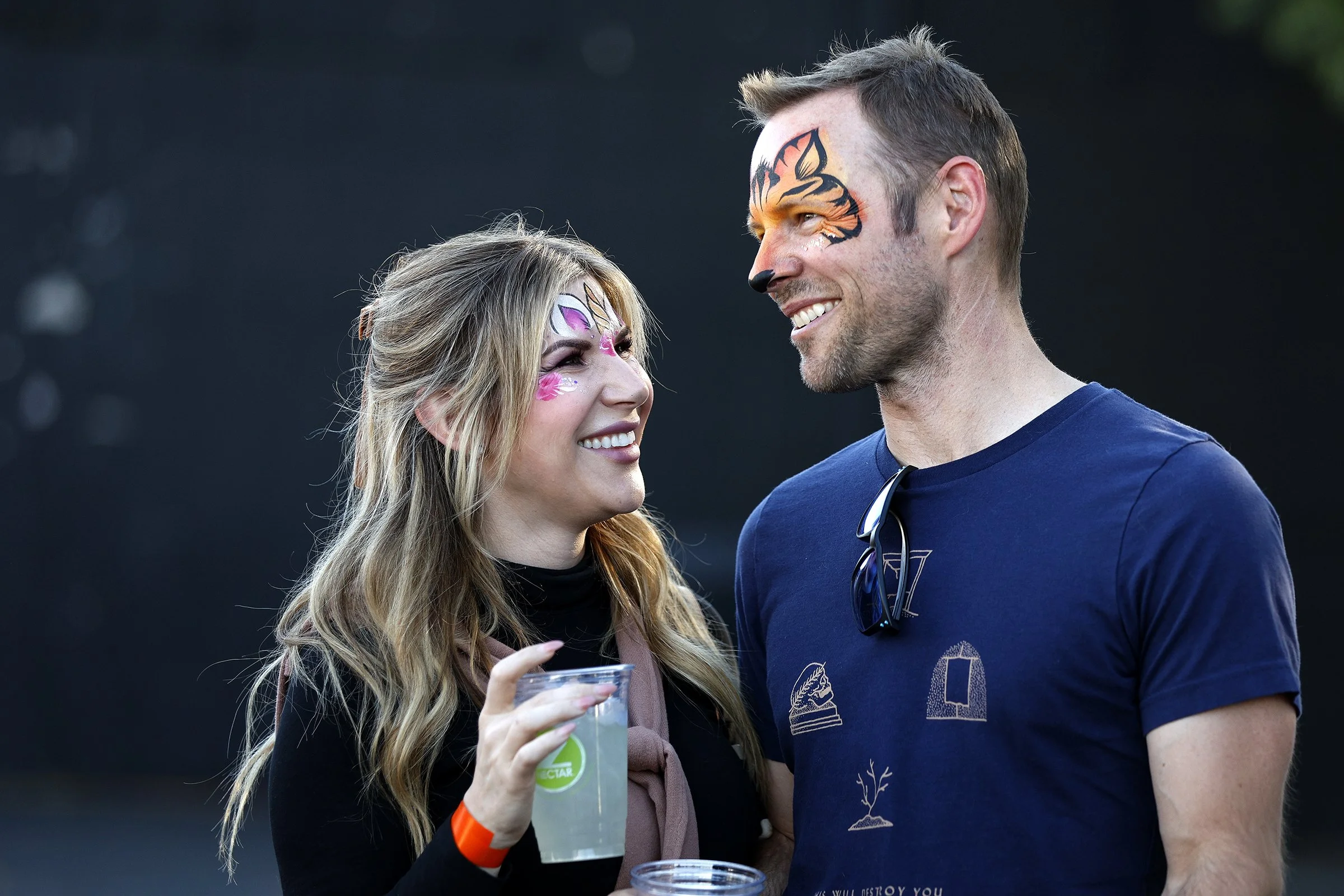
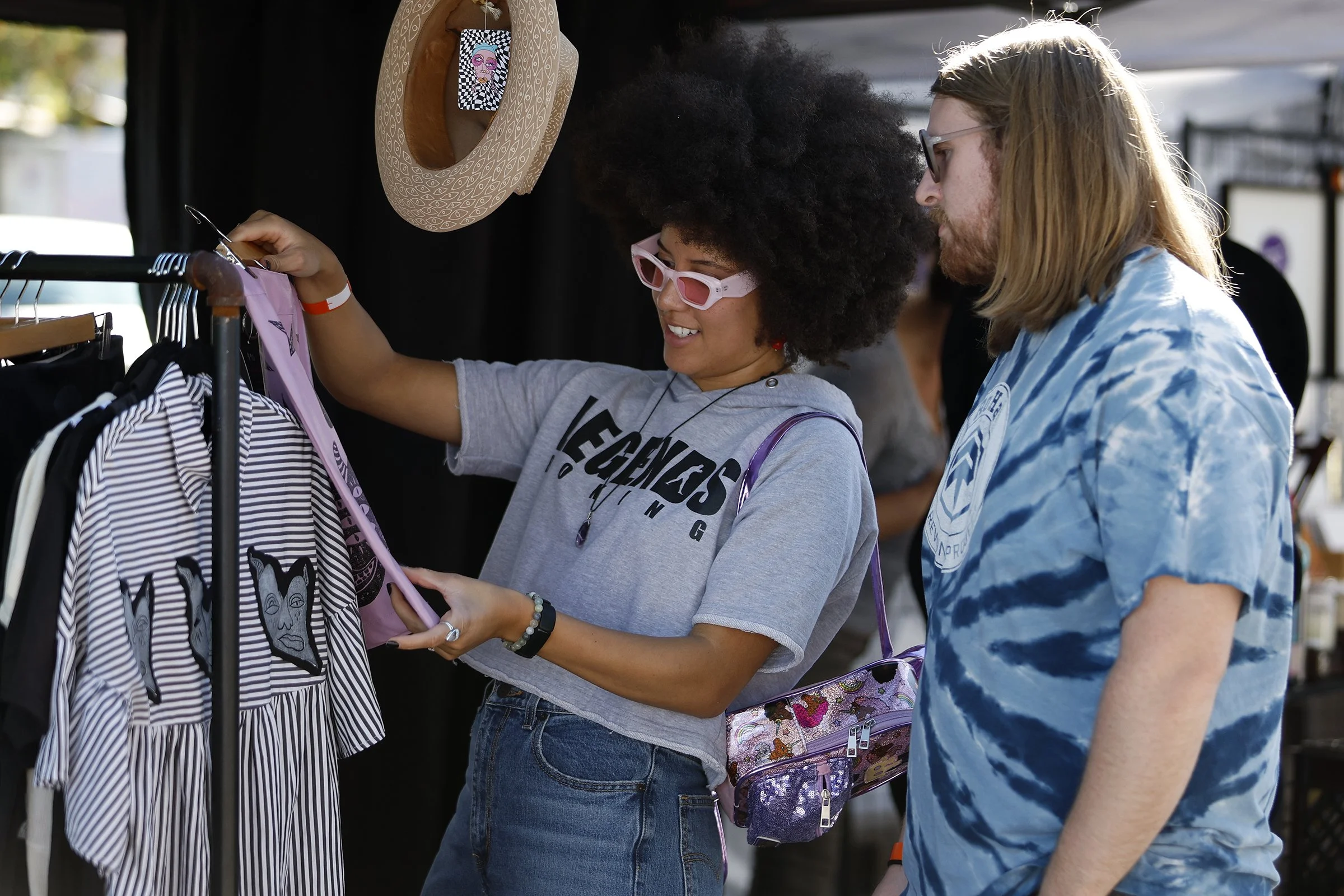
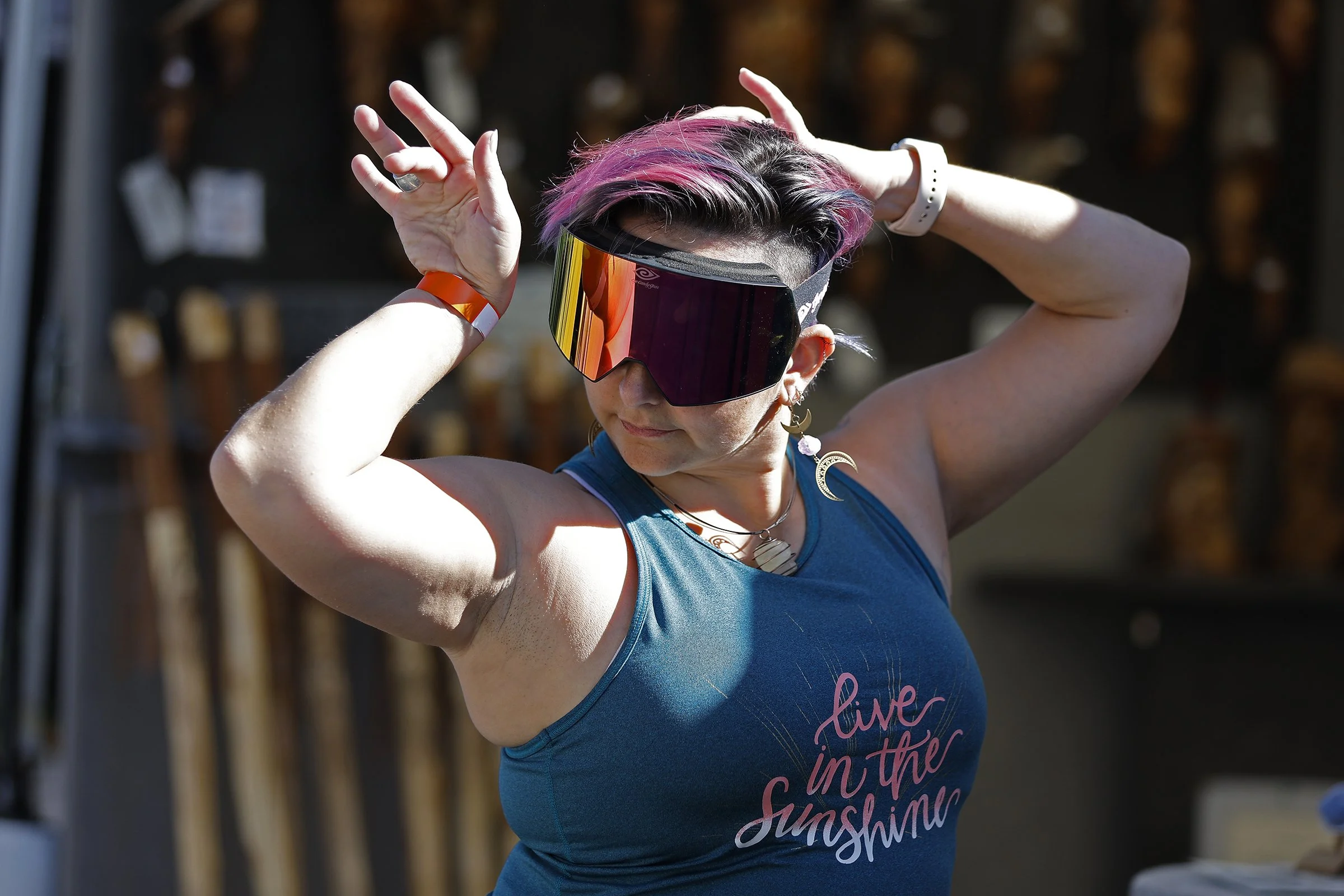
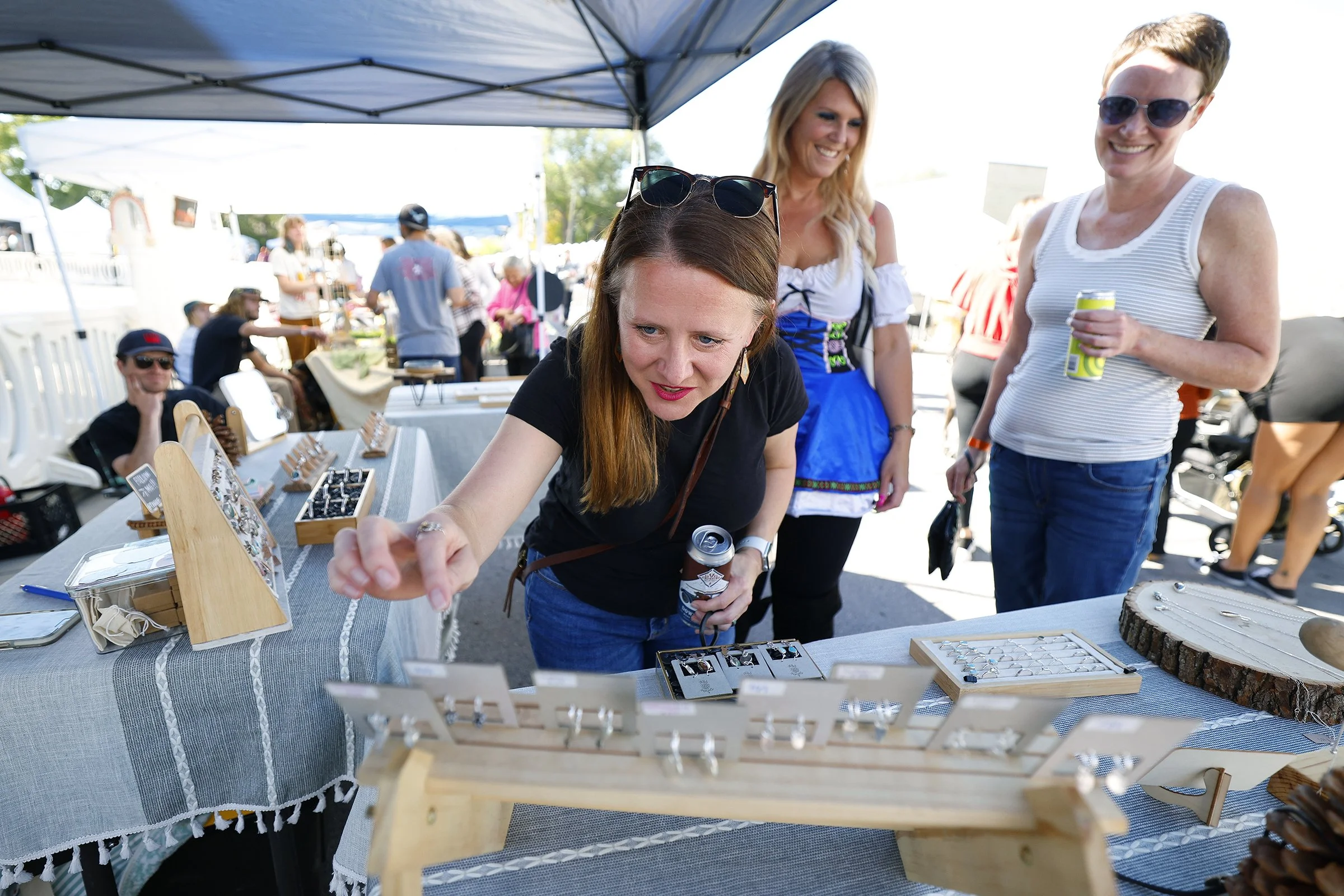
Sometimes they're happening in the neighborhood next door.
You just have to slow down enough to notice them—and be willing to connect.
Maybe this is my style
I've never been particularly comfortable with the term street photography. Not because I don't photograph on streets, but because it sometimes suggests sneaking around, shooting from the hip or trying not to be noticed.
That's not really me.
I want my subjects to know I'm there.
In fact, I think I've finally figured out something about my photography that I never consciously considered before.
I don't blend in by being invisible. I blend in by being present.
When I walk into a market with two cameras hanging around my neck, people notice me immediately. There's no mystery about what I'm doing. I'm a photographer, and I'm obviously interested in them and their environment.
And maybe that openness is what allows me to get closer.
It opens doors. Literally sometimes.
More importantly, it opens conversations and gives me a chance to see beyond what's sitting underneath the market tent. Lisa told me that after watching me interact with people, she started seeing those places differently. She wasn't just looking at what was being sold. She was seeing the people. The faces. The personalities. The stories. Maybe that's what I've been trying to do all along. I just never gave it a name. I still don't think I need to.
I don't need to layer a bunch of philosophy onto my photography. Sometimes I see something that interests me and I want to make a picture of it.
Simple as that. but I do think I've learned something from that presentation.
My photographic style may not be about disappearing. It may actually be about connecting.
Of course, it doesn't work every time. Some days the photography mojo isn't there. Sometimes the light isn't right. Sometimes the moment never comes together.
That's photography.
We make our plans, travel halfway around the world, get up before sunrise or stay out until last light—and then we see what happens.
But when everything does come together—the light is right, the moment is there, and I make that little connection with someone—it feels like something more than just making a photograph.
It feels a little like photo therapy.
Those are the moments when I forget about everything else. I'm completely in the moment, paying attention, connecting with someone I've never met and trying to make a photograph that says something about what I'm seeing.
Maybe that's why I keep doing this. If I never try to connect, I'll never feel connected.
And if I hide my camera, I might get a photograph, but I might miss the person behind it.
Maybe that's my style after all.
If you have any questions, comments, or thoughts, please reach out—I’d love to hear from you!